Inspired by Marcel Duchamp's Bicycle Wheel, this sculpture transforms a contemporary carbon bicycle wheel into an object of contemplation. By placing a familiar cycling component on a simple wooden stool, it blurs the boundary between function and art, reminding us that the meaning of an object often lies not in what it is, but in how we choose to see it.
before the monogram
Looking at this piece, I couldn't help but think of Louis Vuitton's Monogram. Yet this intricate decorative pattern existed centuries before the fashion house was founded. It raises an intriguing question: Are timeless designs ever truly original, or are they simply rediscovered and reinterpreted by each generation?
Perhaps that's the beauty of design. Ideas travel across cultures and centuries, evolving with time while retaining echoes of the past. What feels contemporary today may, in fact, have existed hundreds or even thousands of years ago. Great design never truly disappears. It simply returns in a new form.
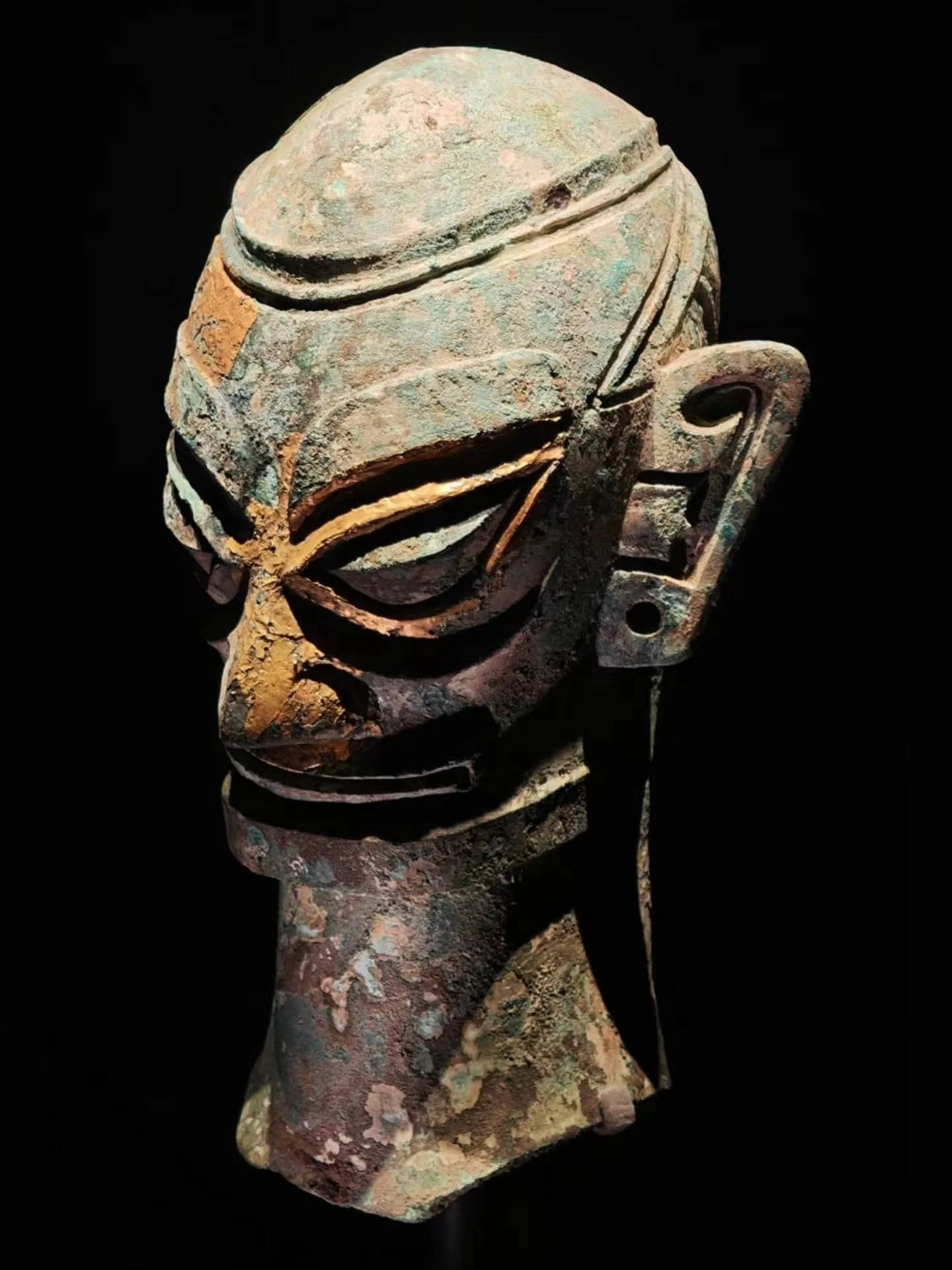
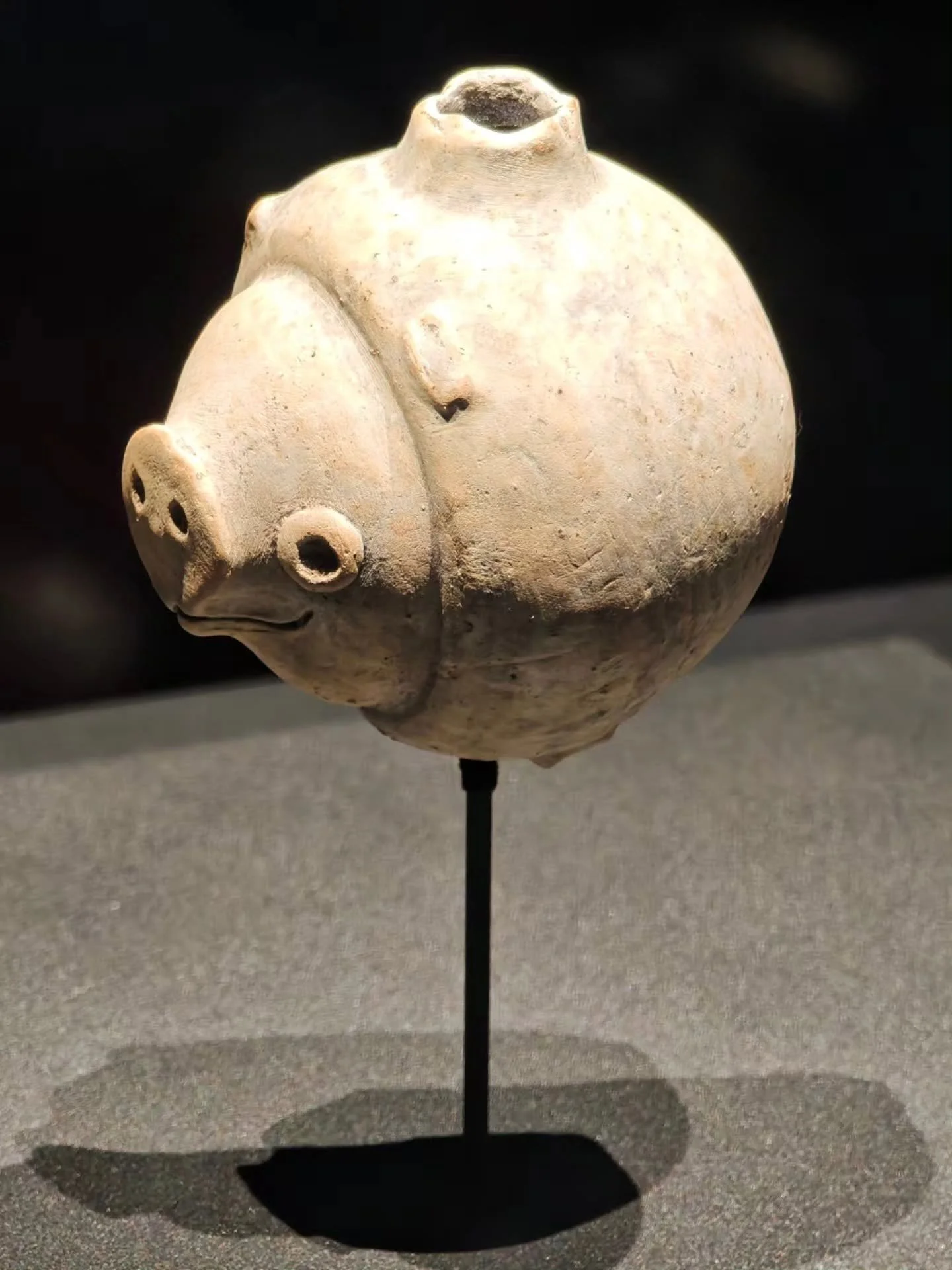
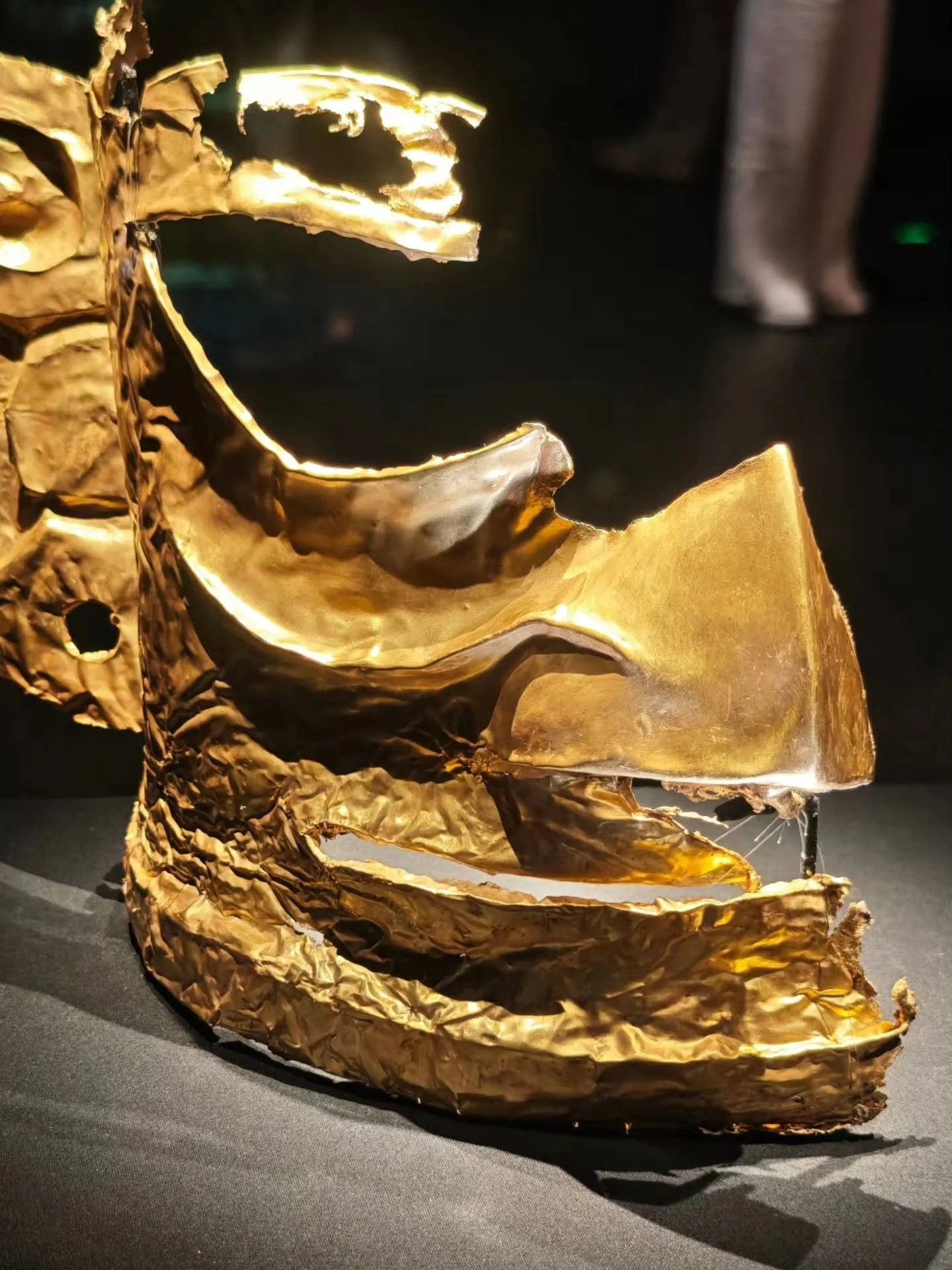
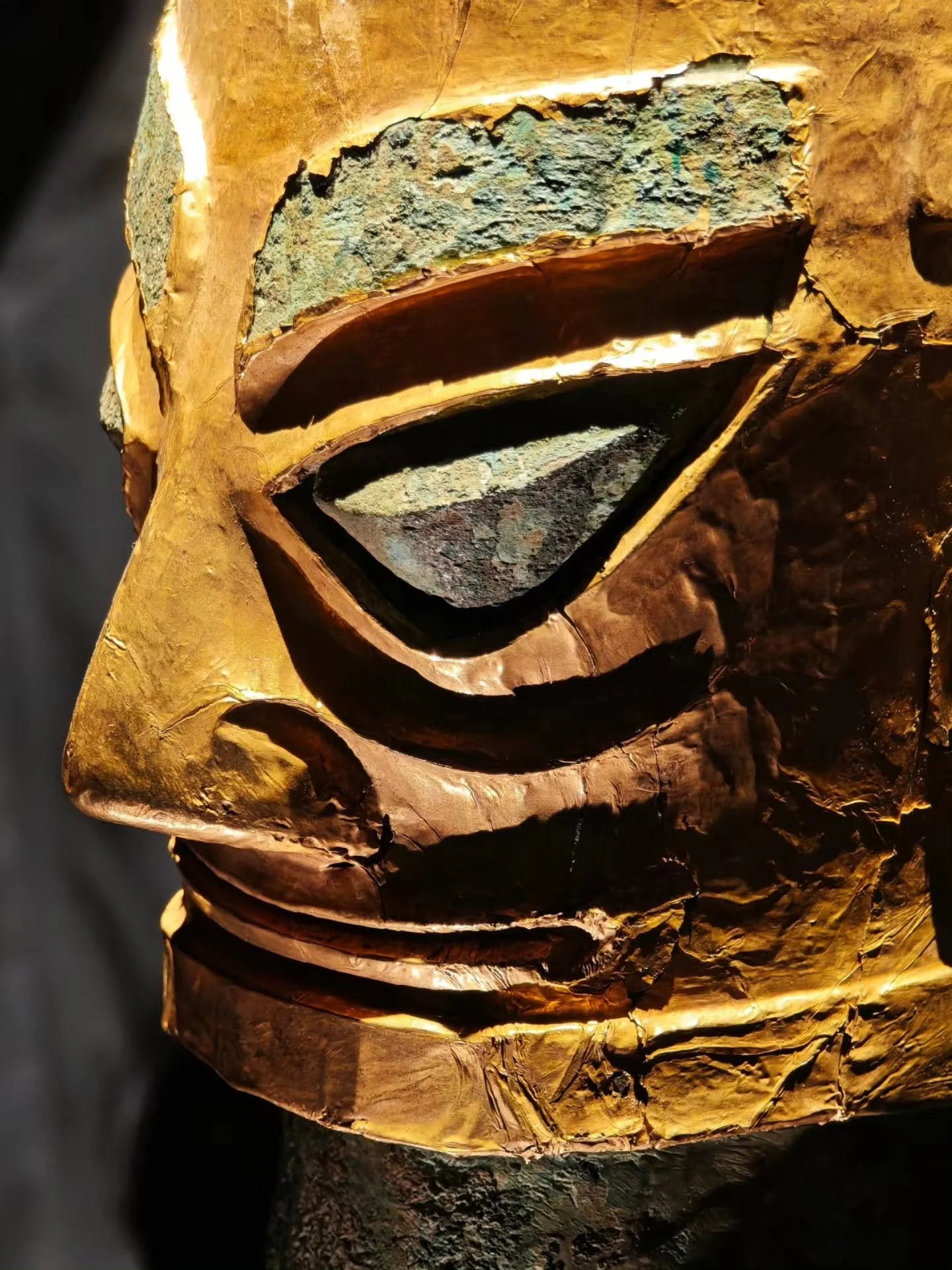
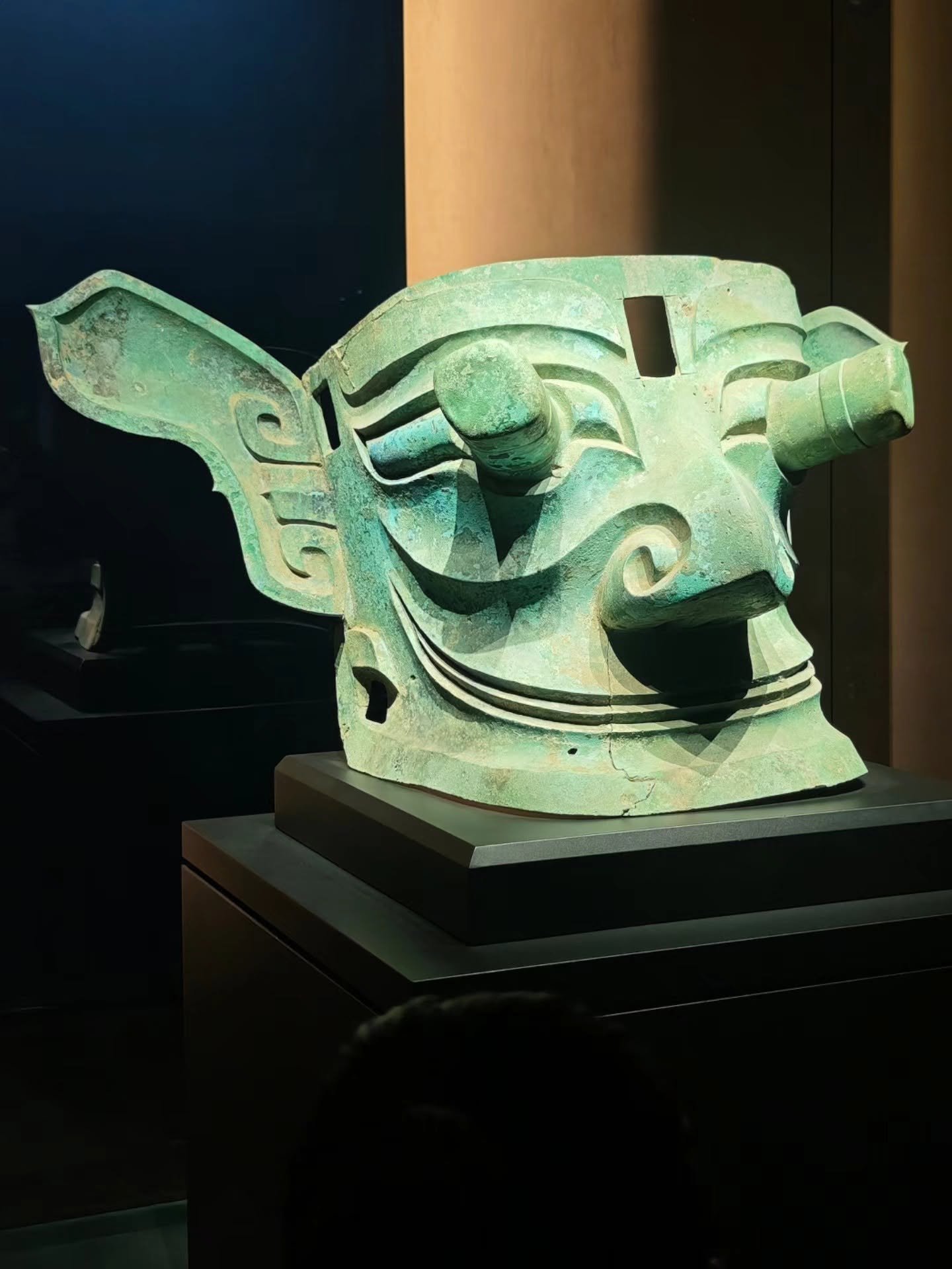
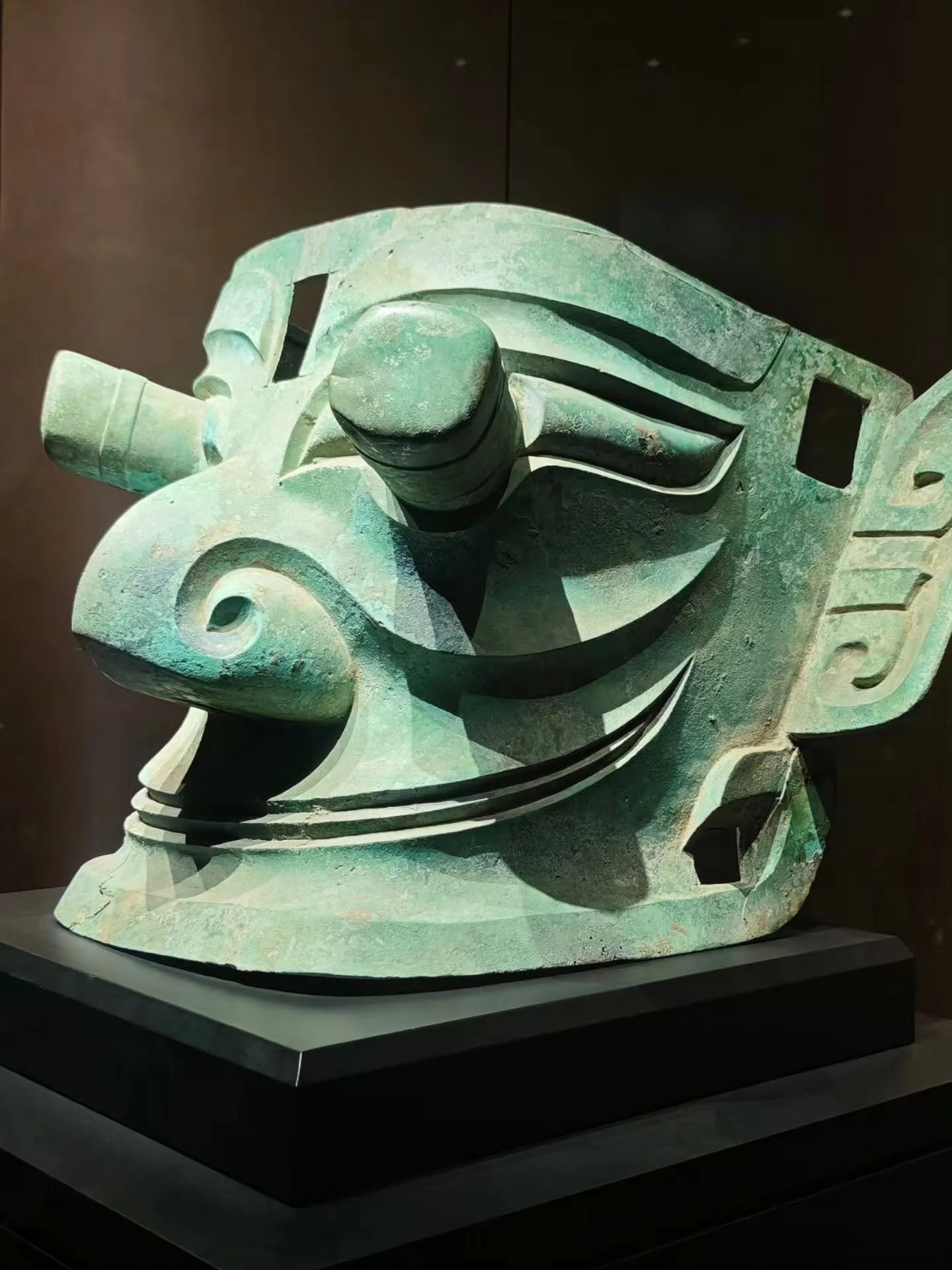
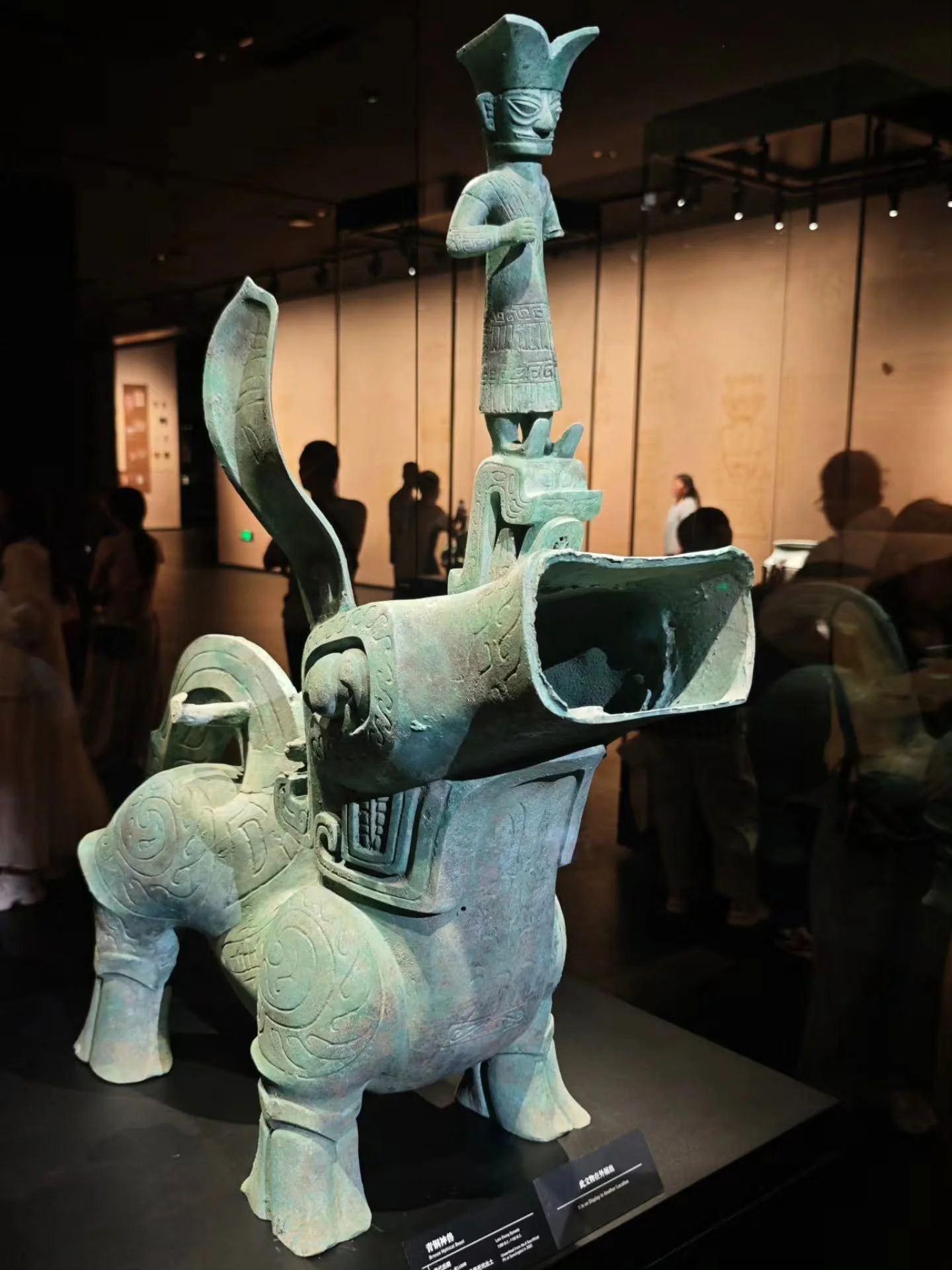
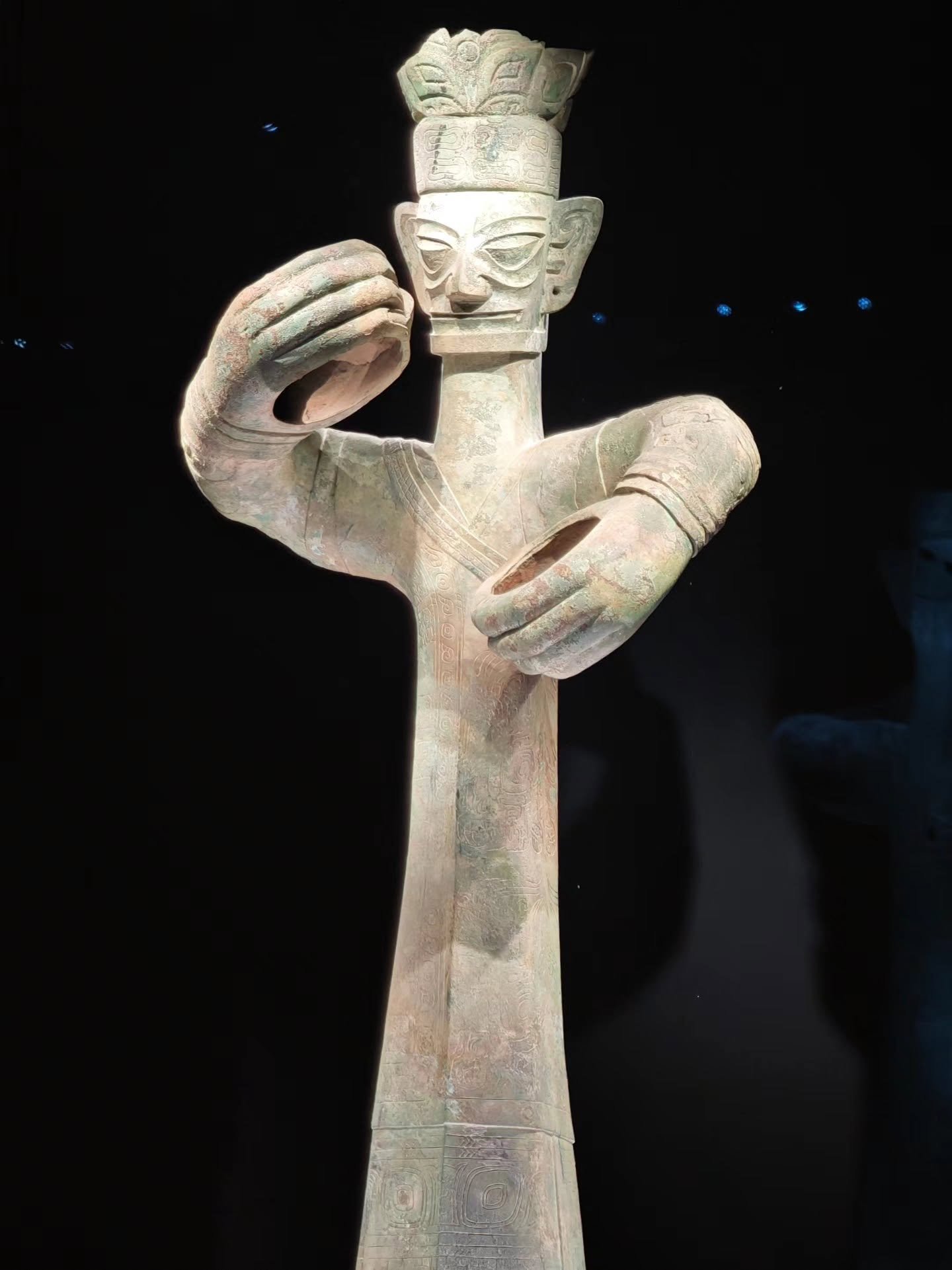
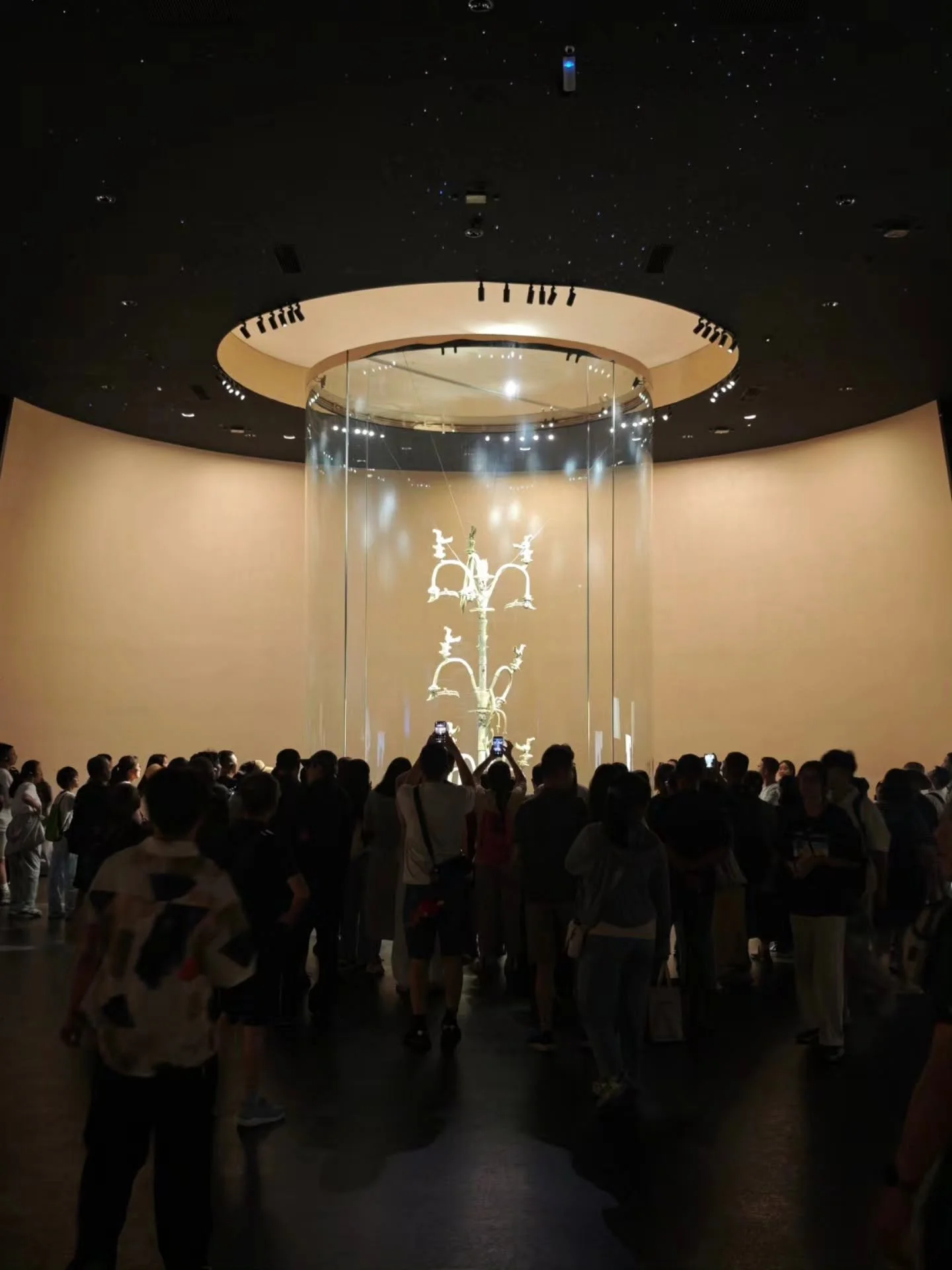
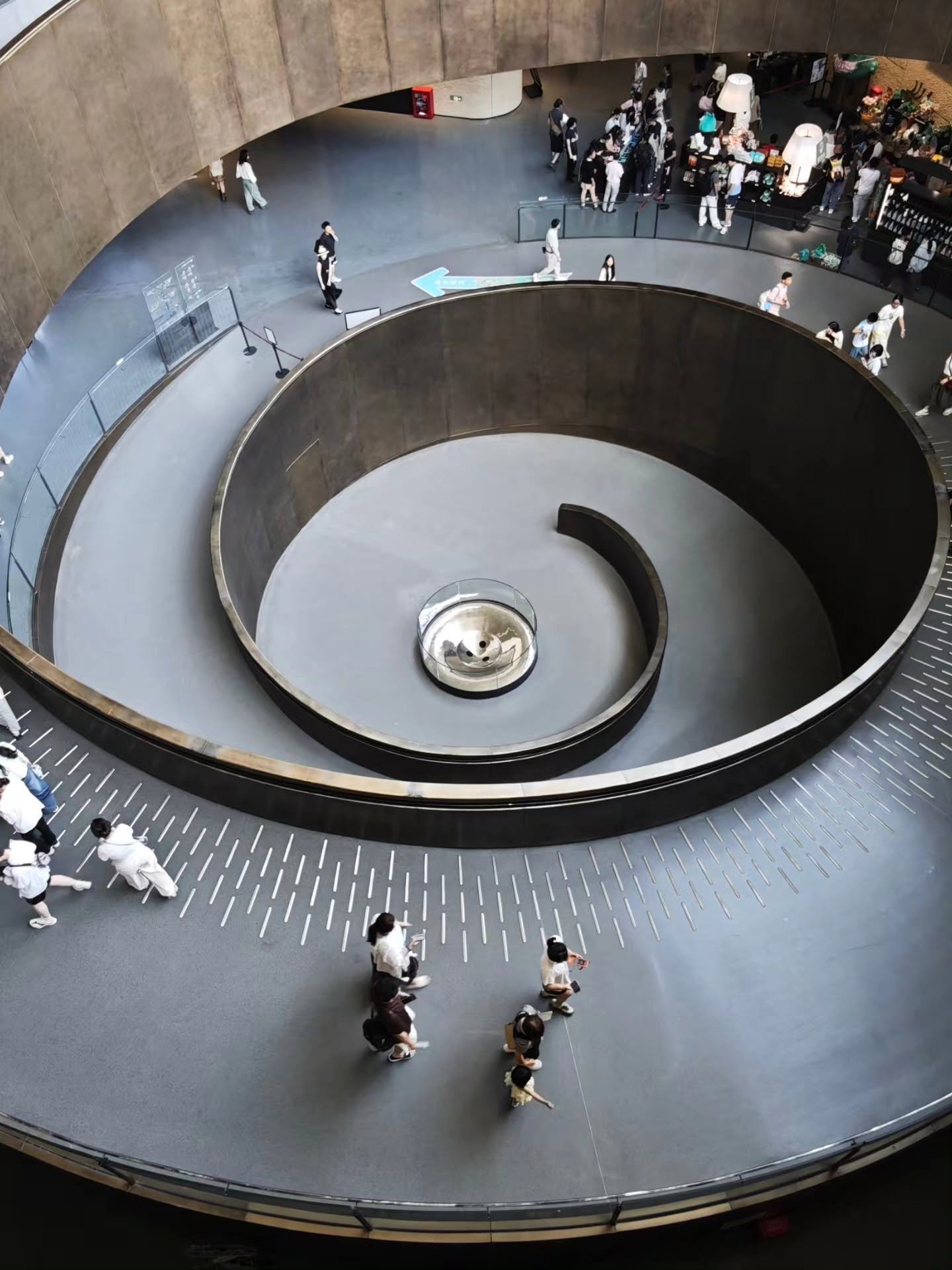
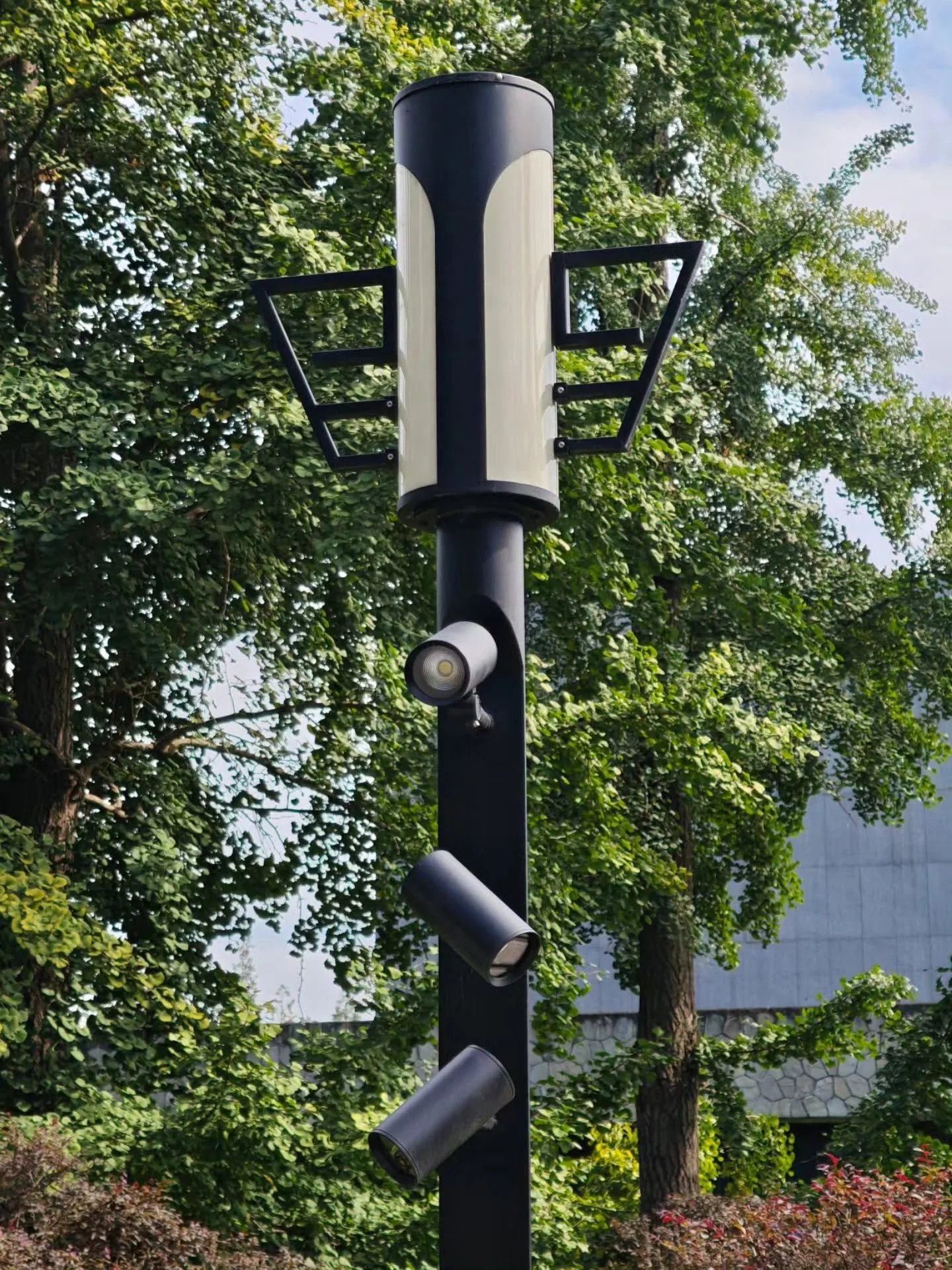
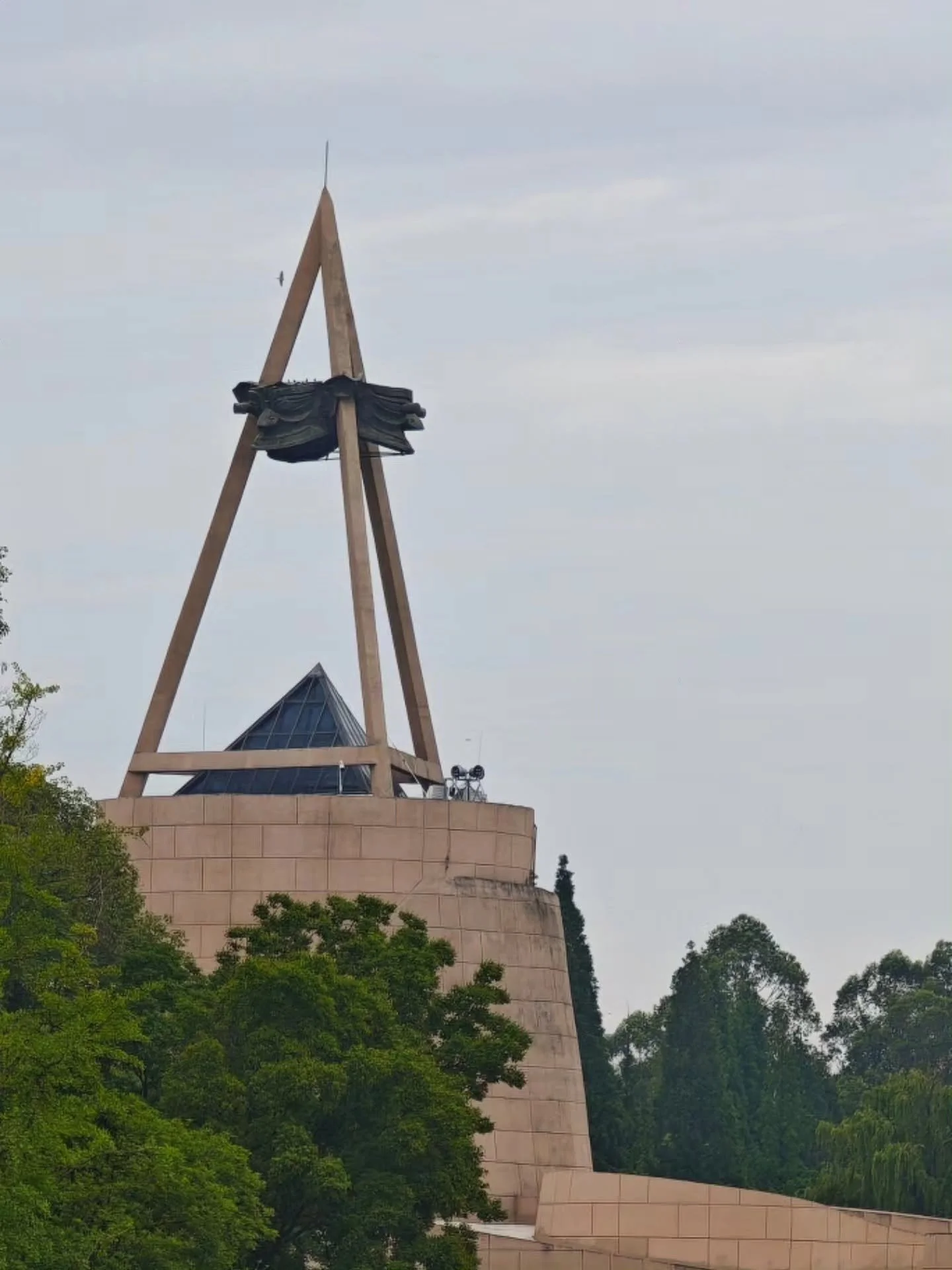
discovering sanxingdui
Why is it called Sanxingdui?
Sanxingdui (三星堆), one of the world's most remarkable archaeological discoveries, takes its name from the landscape where it was found. The site is marked by three connected earthen mounds facing a crescent-shaped terrace to the north, forming a landscape locally known as "Three Stars Accompanying the Moon" (三星伴月).
Rather than inventing a new name, archaeologists adopted the existing name of the nearby village—Sanxingdui, meaning "Three-Star Mounds." Today, the name has become synonymous with the extraordinary civilization of the ancient Shu Kingdom. Its enigmatic bronze masks, sculptures, and ritual objects continue to reshape our understanding of early Chinese civilization.
What fascinated me most was the mystery surrounding Sanxingdui. Even today, many questions about this ancient civilization remain unanswered. The museum does an exceptional job of presenting these discoveries through thoughtfully designed exhibitions, allowing visitors to experience the artifacts in a way that feels both immersive and thought-provoking.
Perhaps that's why Sanxingdui continues to capture people's imagination. The bronze masks and statues defy our expectations of ancient art—they feel almost otherworldly, even reminding some visitors of Ultraman or scenes from science fiction. Yet these extraordinary creations were made more than 3,000 years ago, making their mystery all the more captivating.
now boarding
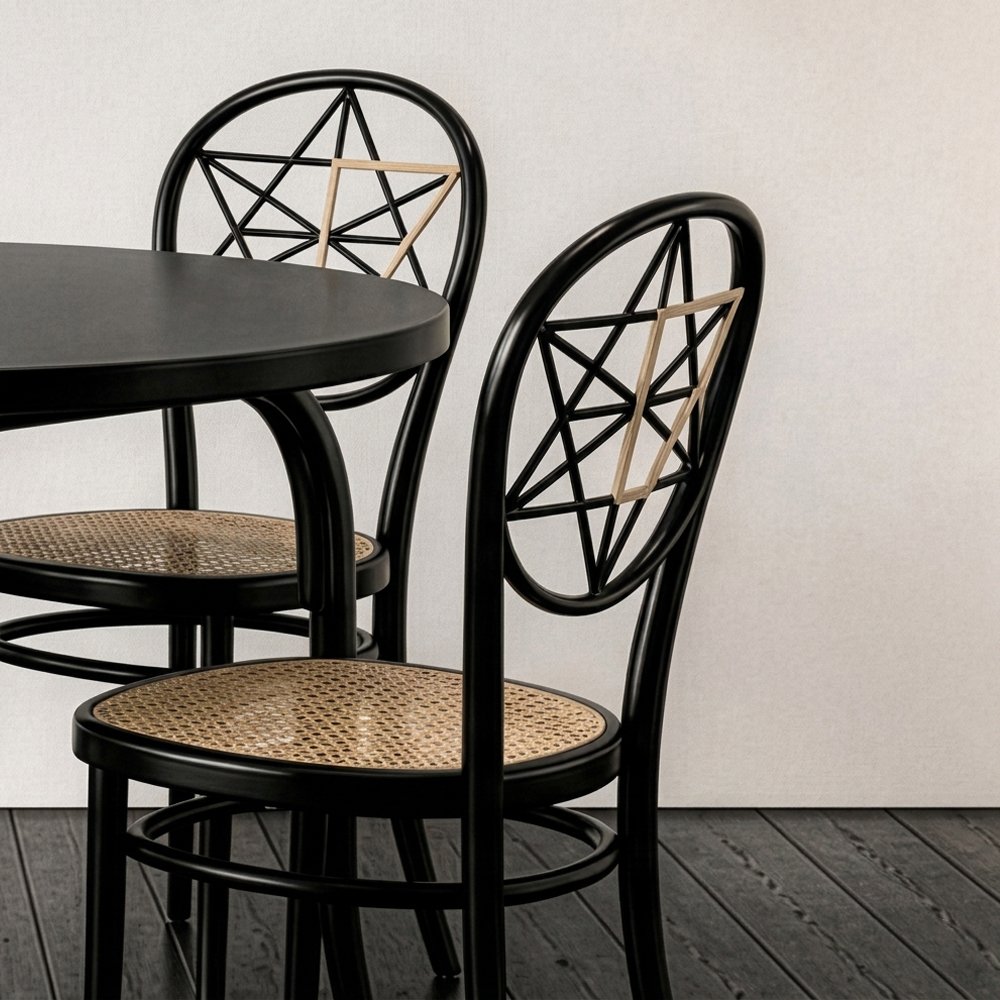
6 stars d chair study
this started as a symbol experiment, but slowly became a furniture thought.
the six-point structure was originally explored as a graphic form. over time, i became interested in what would happen if the geometry moved beyond a flat surface and entered physical space. instead of remaining as a visual mark, it could become part of an object people interact with daily.
the chair is imagined as a balance between structure and presence. the geometric lines create tension and rhythm, while the curved frame softens the overall form. i didn’t want it to feel decorative for the sake of decoration. the intention is for the pattern to function as part of the identity of the object itself.
this is still an early study, but the idea is clear. to eventually develop a custom chair that exists somewhere between graphic language, object design, and spatial experience.
(explore more here)
唸之前 VS 唸之后
很多人第一次接触咒语,
都会问一个问题:
「唸了,会有什么感觉?」
其实更准确的问题是一
唸之前,
和唸之后,
状态有什么不同?
对我来说,
唸之前,
心通常是散的、急的,
脑袋同时在想很多事。
唸的时候,
不一定马上安静,
但呼吸会慢一点点,
注意力会回来一点点。
唸之后,
事情未必解决,
情绪也未必消失,
但状态会比较稳。
不是变好,
而是回到这里。
如果你唸了却没什么感觉,
也很正常。
有时候,没变化,
本身就是一种变化。
这不是练习,
也不是要求。
只是一个可以,
随时回来的方式。
这是个人感受记录,
不必对号入座。
唸不唸都可以,
记得回来就好。
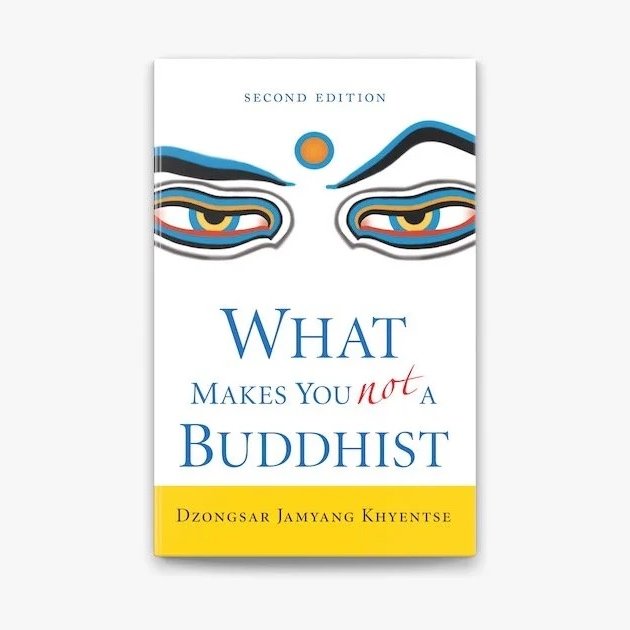
I’m still learning this in real time
Most people think understanding Buddhism means meditating, burning incense, or learning sacred texts. This book reminded me that the real practice is much simpler and much harder.
1. Can I accept that everything changes?
2. Can I see how my pursuit of happiness often creates new forms of anxiety?
3. Can I observe the idea of "me" without holding onto it so tightly?
4. And can I find peace by letting go, instead of constantly chasing more?
This wasn't just a book about Buddhism.
It was a mirror. A simple one, but not an easy one.
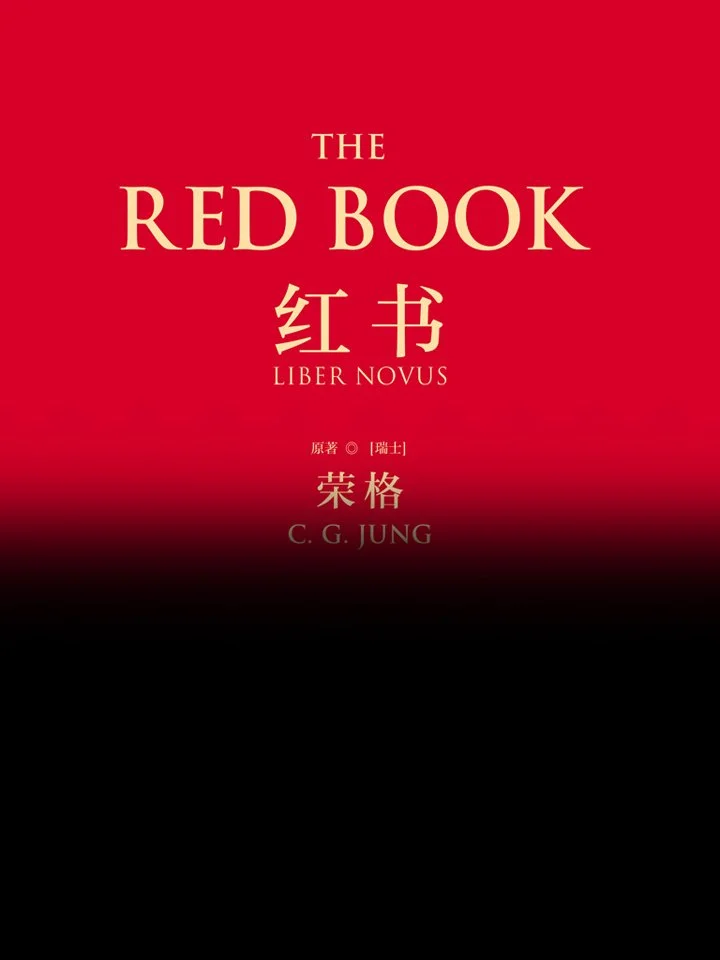
the red book, still reading
while reading The Red Book, i realised the experience feels very different from reading a normal psychology book. it is raw, symbolic, personal, and at times difficult to fully understand. instead of presenting clear theories or structured explanations, jung documents his own inner visions, thoughts, dreams, and conversations with the unconscious mind. the book feels less like a guide, and more like witnessing someone trying to map the hidden parts of the human psyche in real time.
what makes the book meaningful for me so far is not necessarily “understanding” every page, but what it begins to open up mentally. it encourages deeper self-observation, reflection, and awareness of the inner world that most people rarely pay attention to. for creatives especially, it reminds us that imagination, intuition, symbols, and emotion are not separate from thinking. they are part of how meaning, identity, and ideas slowly take form.
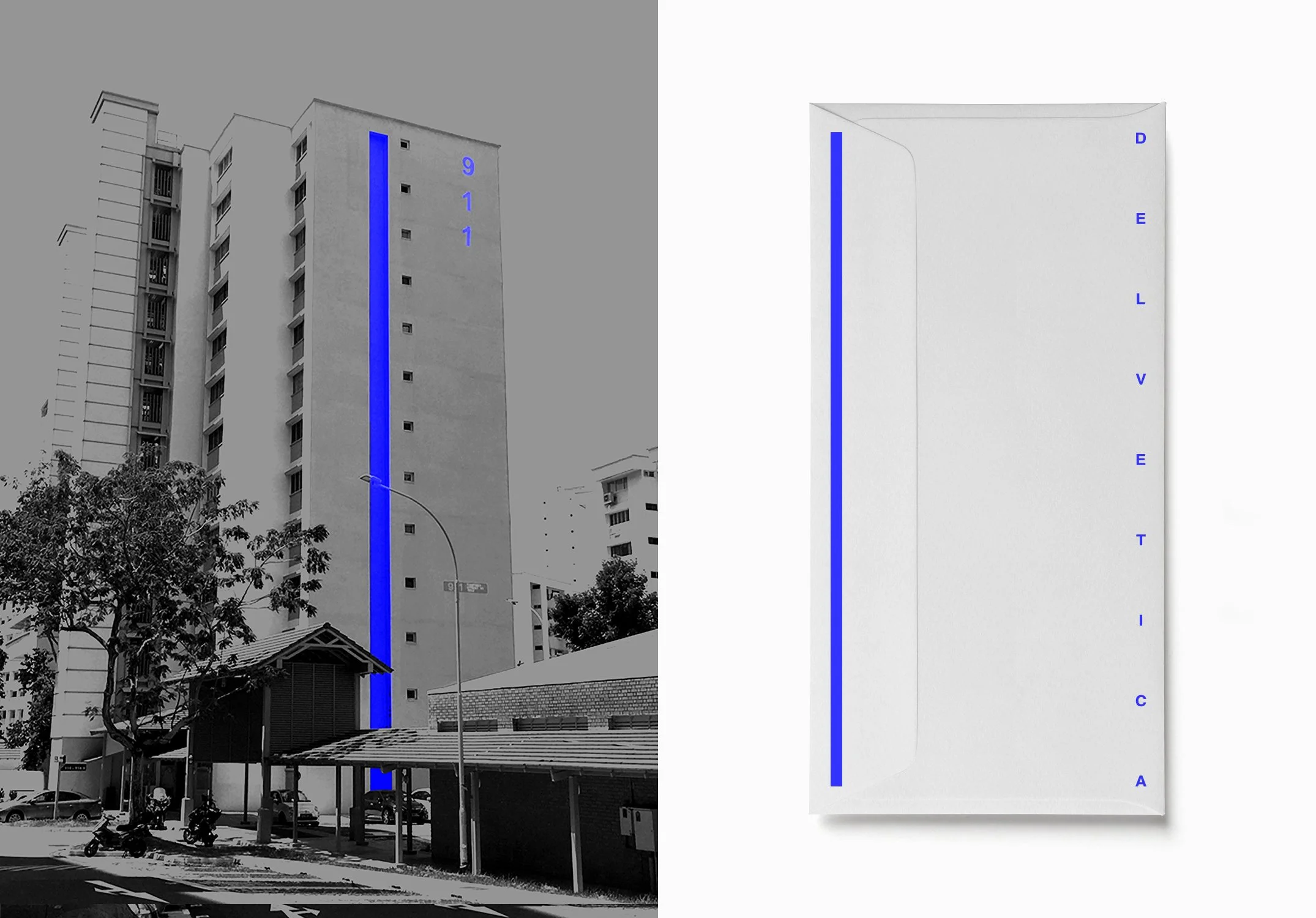
every identity has its own story
this identity began with a place.
delvetica was inspired by the building where i bought a home and later turned part of it into a small studio space. the vertical line, originally not blue, came directly from the facade itself. simple, quiet, and always there. over time, it became the foundation of the identity.
instead of creating something detached from context, i wanted the visual system to carry a real sense of place. sometimes identity design doesn’t begin with strategy. sometimes it begins with a space you slowly grow connected to.
(explore more here)
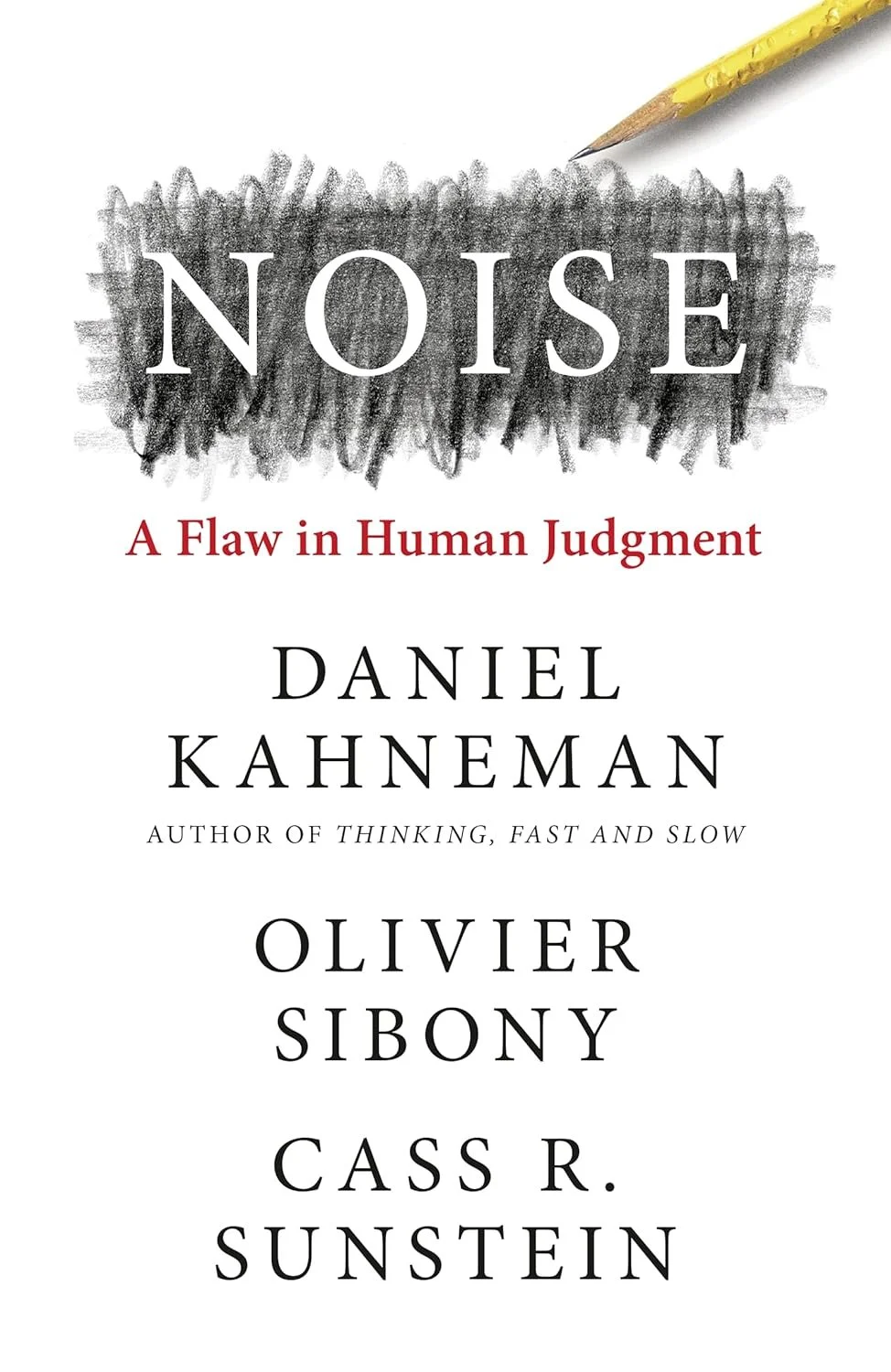
noise
Reading Noise made me think about how easily human judgment shifts without us noticing. The same person can see the same thing differently depending on timing, emotion, environment, or state of mind. What we often call “decision” is sometimes just noise passing through us.
In creative work, this feels especially familiar. Not every reaction is clarity, and not every opinion carries truth. The book became less about systems or psychology, and more about awareness. Learning to recognise the invisible layers affecting how we judge, respond, and create. Somewhere between signal and noise, we try to find something honest enough to hold onto.
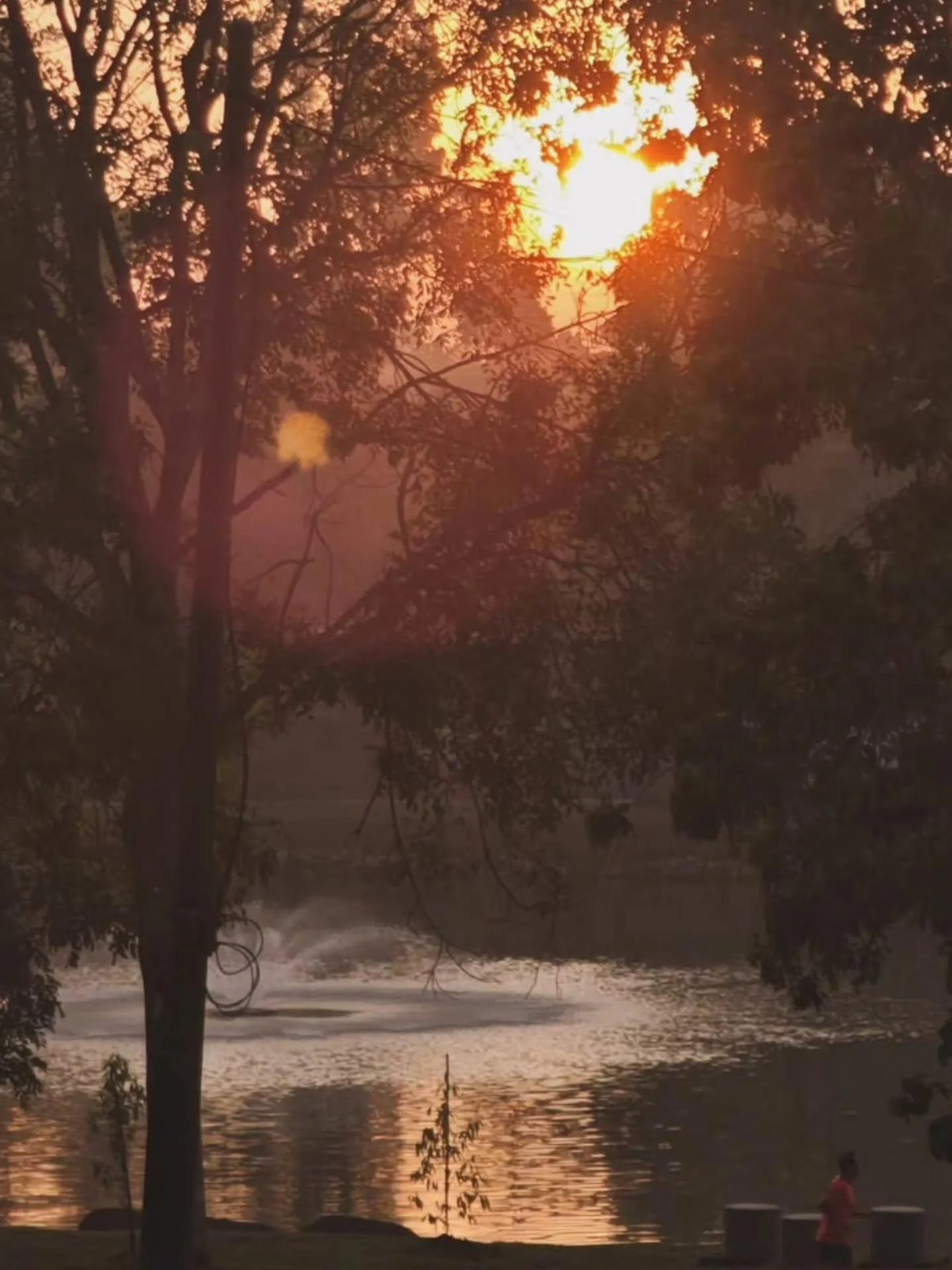
pause
Pause from the noise—not to disconnect from life, but to reset your relationship with it.
We’re constantly surrounded by inputs—messages, opinions, expectations, and endless content. Over time, it becomes difficult to tell what’s actually important and what’s just filling space. Taking a pause creates a gap. In that gap, things start to sort themselves out. What matters becomes clearer, and what doesn’t slowly fades into the background.
A pause doesn’t mean doing nothing. It means choosing to step out of the constant reaction mode. Even a short moment—away from screens, conversations, or internal chatter—can bring your focus back. From there, decisions feel less forced, and actions feel more intentional.
two things:
1.
ai can generate faster, but it doesn’t decide what matters. that part is still yours. it can give you endless options, variations, and speed, but it doesn’t carry judgment or intention. without a clear point of view, you’re just choosing between outputs instead of shaping something meaningful. the more it produces, the more important it becomes to stay clear on what you’re trying to say. knowing what to keep, what to remove, and what actually serves the idea. that responsibility doesn’t shift, no matter how advanced the tool becomes.
2.
our taste is the filter. without it, everything starts to look “good enough,” and that’s where the work begins to lose its edge. when production becomes easy, the real difference comes from what you choose to reject, not what you keep adding. taste is built over time through exposure, repetition, and refinement, and it shapes your decisions quietly in the background. it helps you recognise what feels right, even before you can explain why. without it, everything remains acceptable, but nothing stands out or holds meaning.
frequency
Not everything begins with a story. Some begin with a frequency.
an underlying signal you don’t immediately understand but can clearly feel. Before meaning is formed, there is a sense of direction, a subtle pull that shapes how something should look, sound, or move. In creative work and in life, not every starting point needs a narrative. Sometimes it starts with a mood, an energy, or a rhythm. The role is not to force a story too early, but to stay with that frequency long enough for it to reveal its own structure.