Why is it called Sanxingdui?
Sanxingdui (三星堆), one of the world's most remarkable archaeological discoveries, takes its name from the landscape where it was found. The site is marked by three connected earthen mounds facing a crescent-shaped terrace to the north, forming a landscape locally known as "Three Stars Accompanying the Moon" (三星伴月).
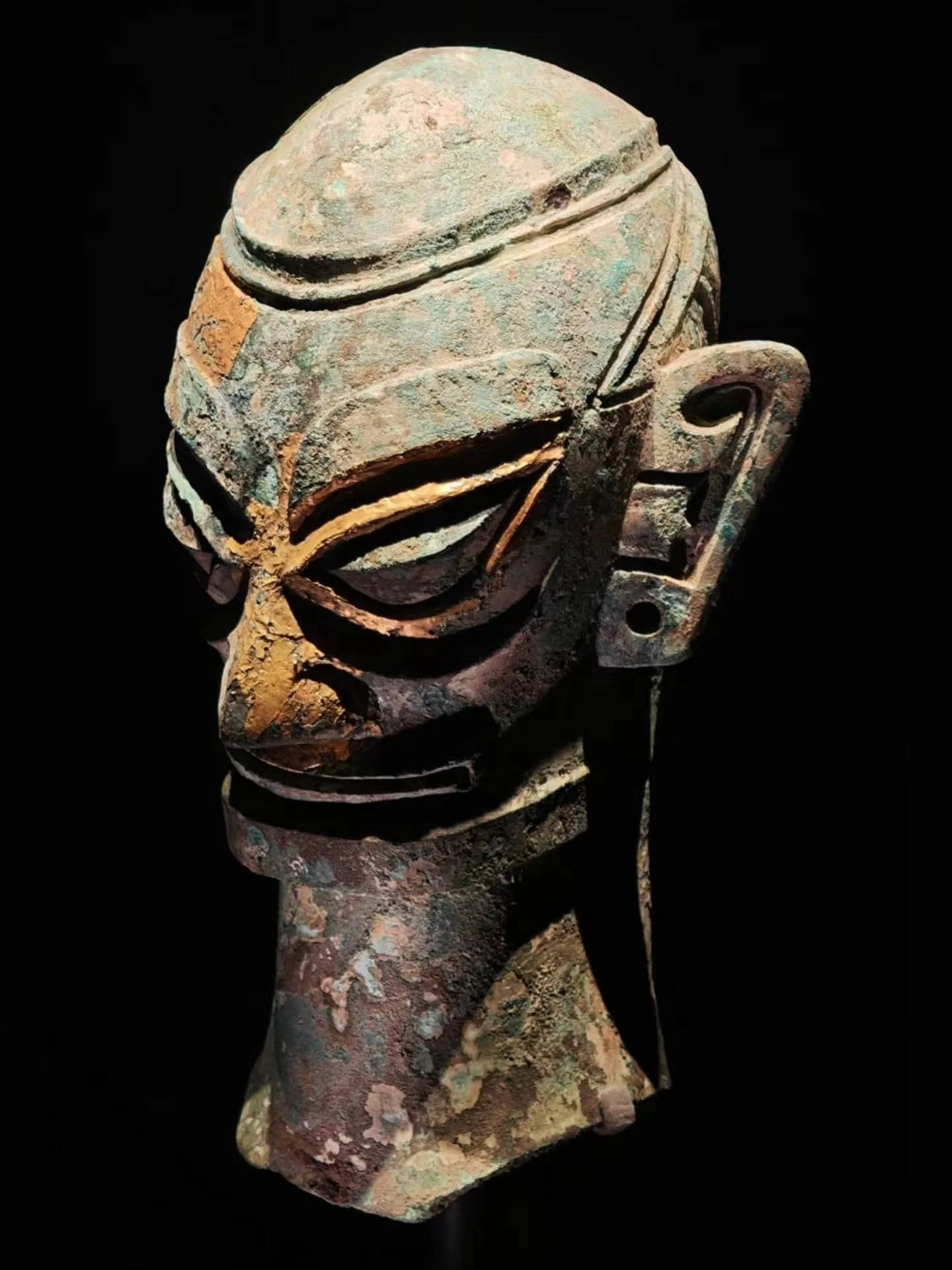
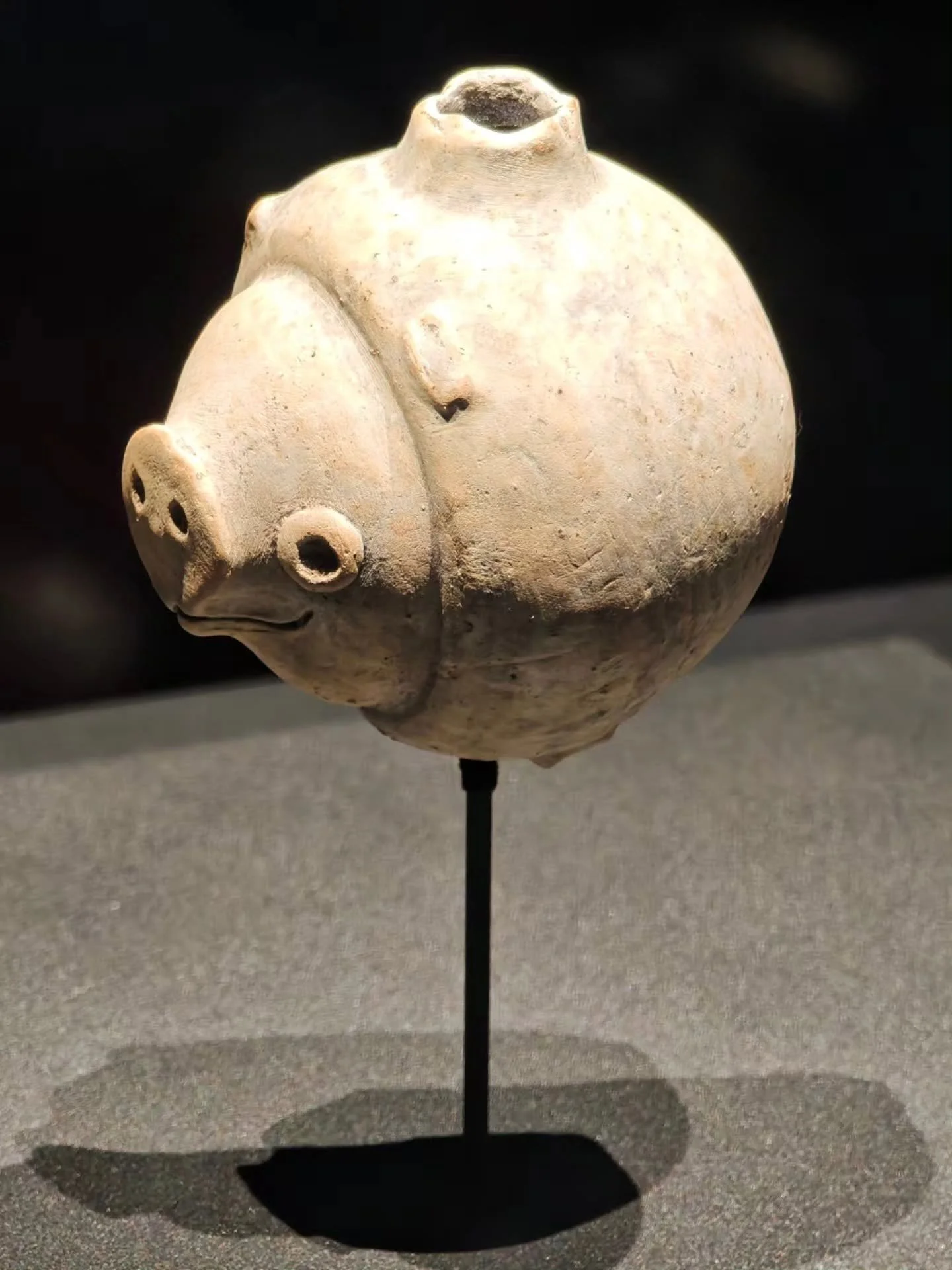
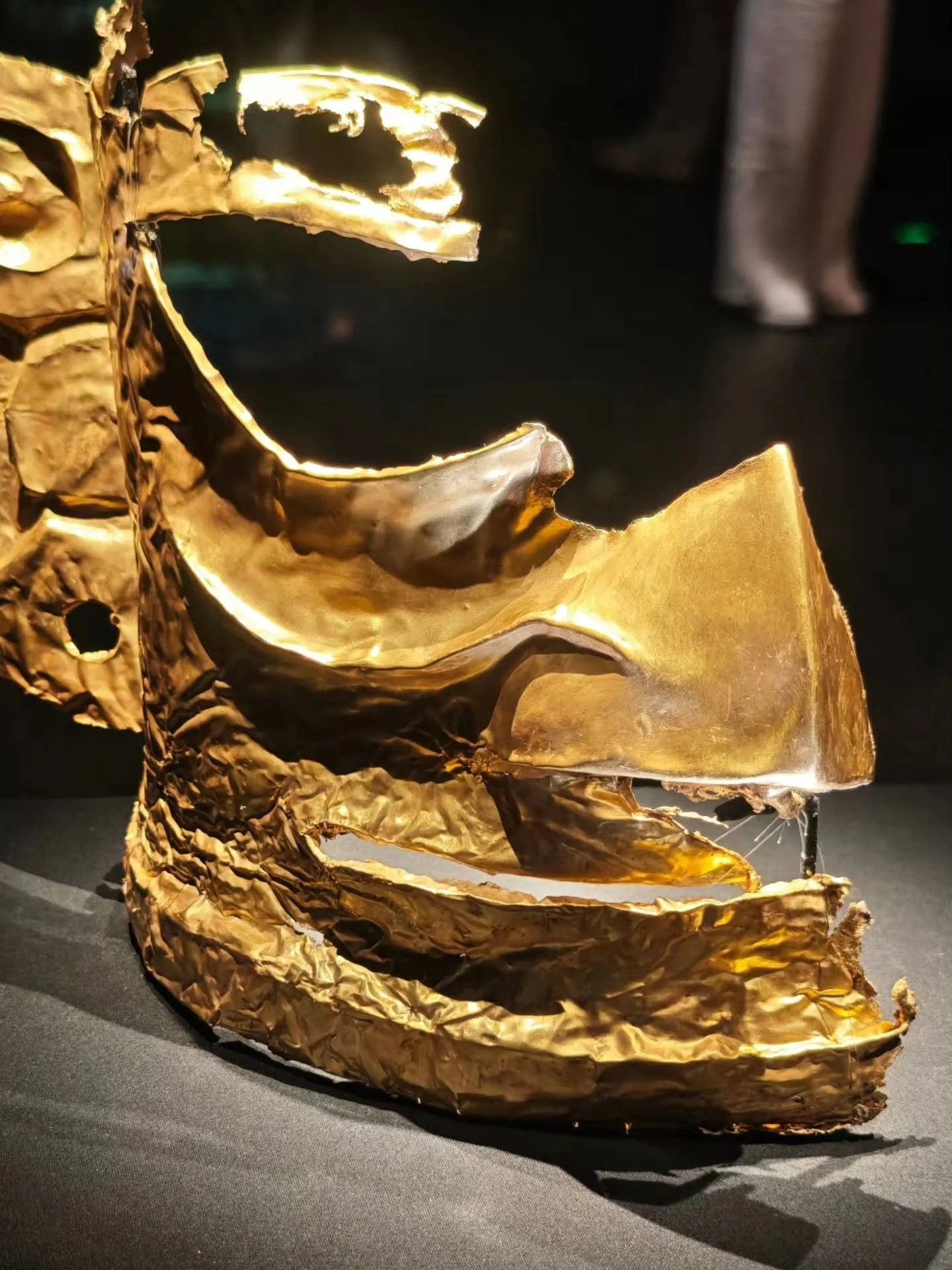
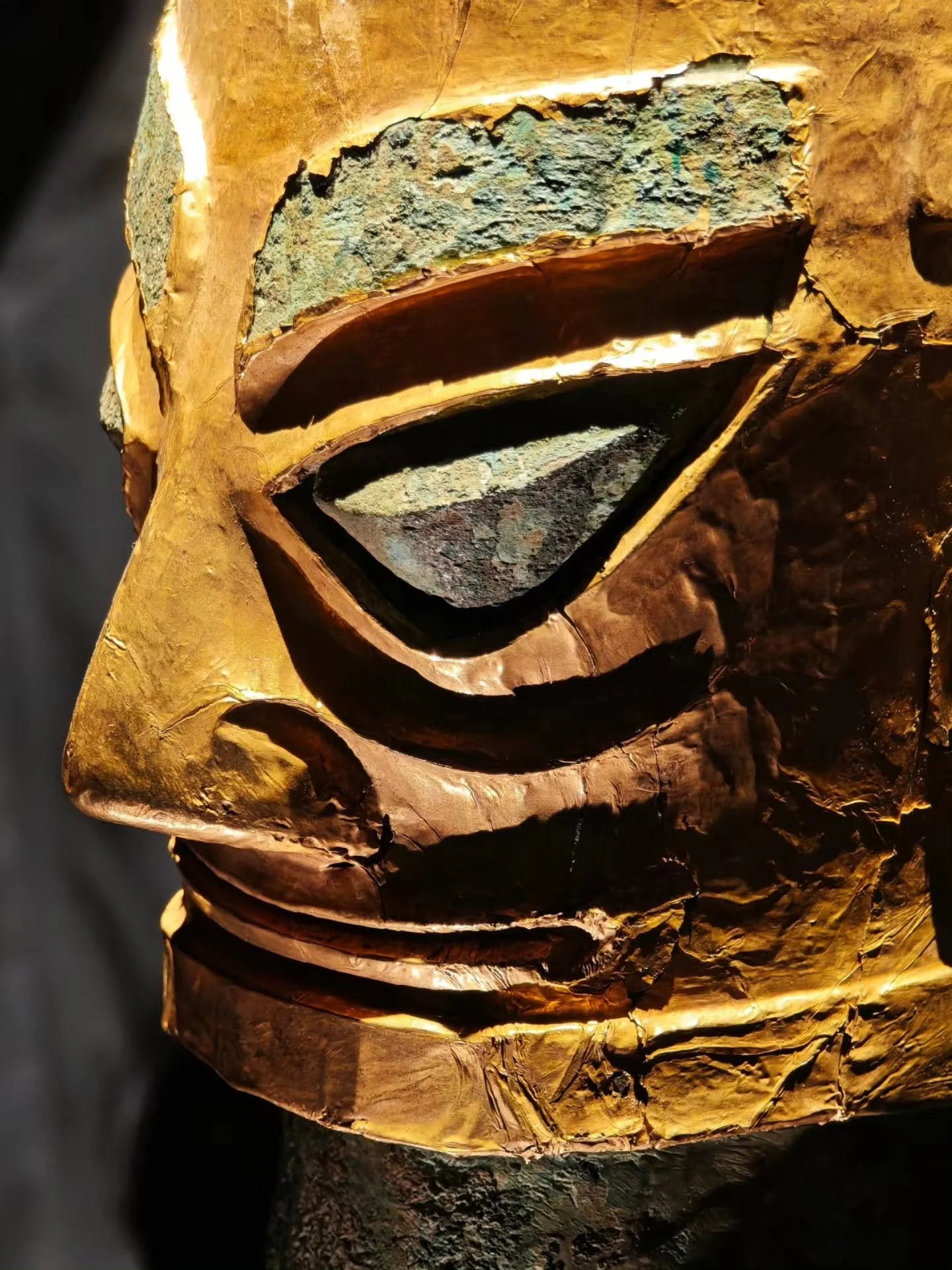
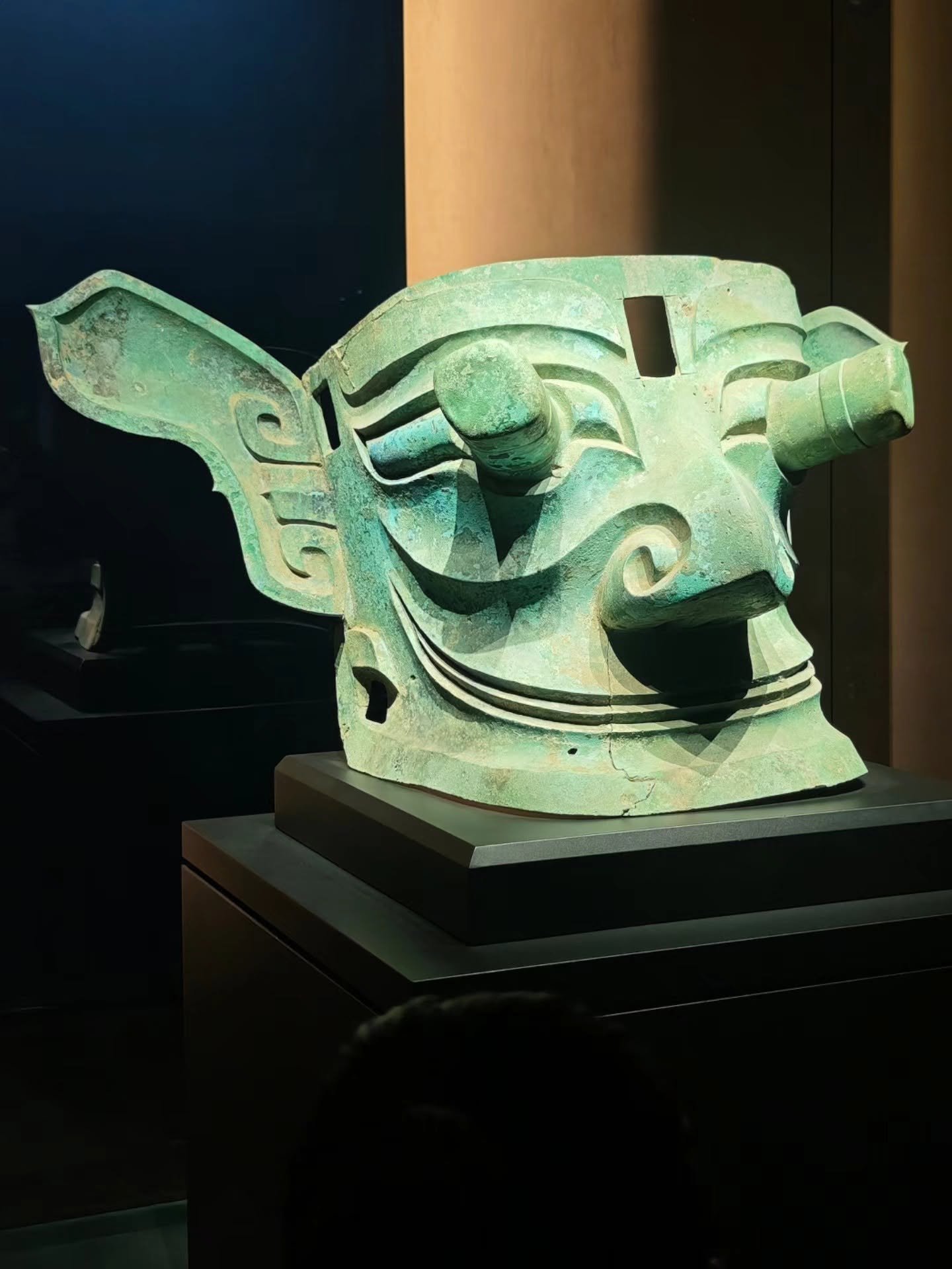
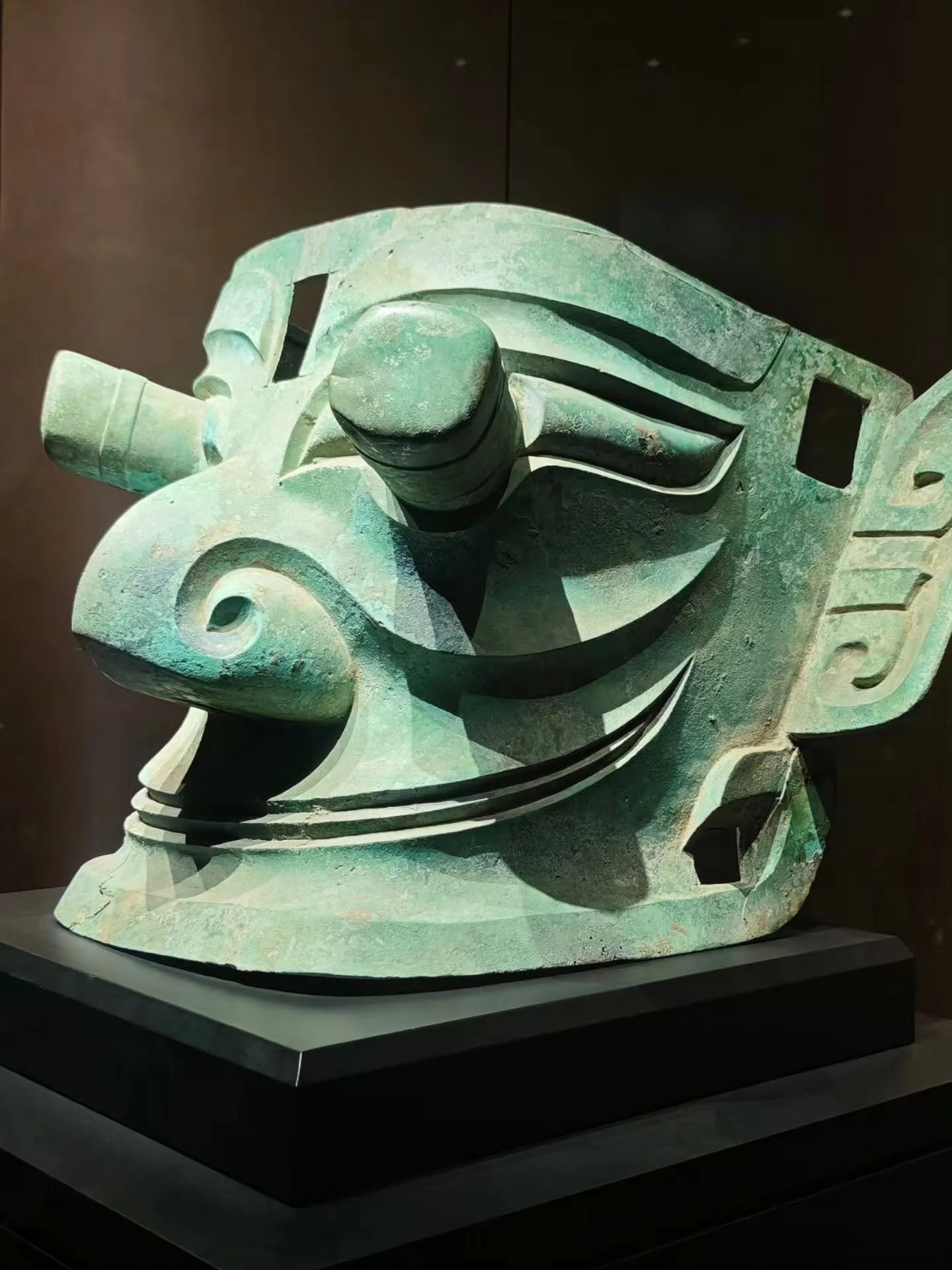
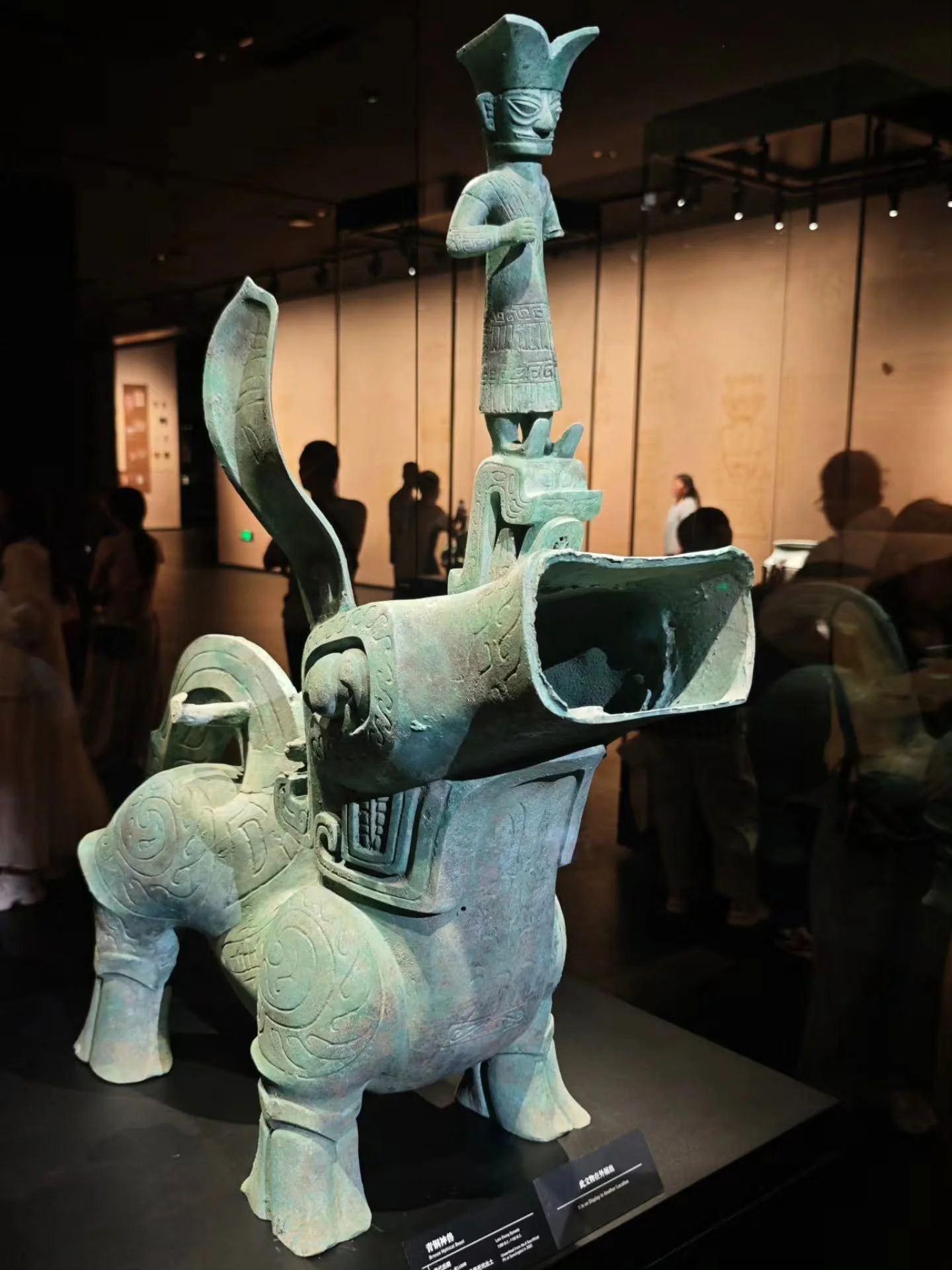
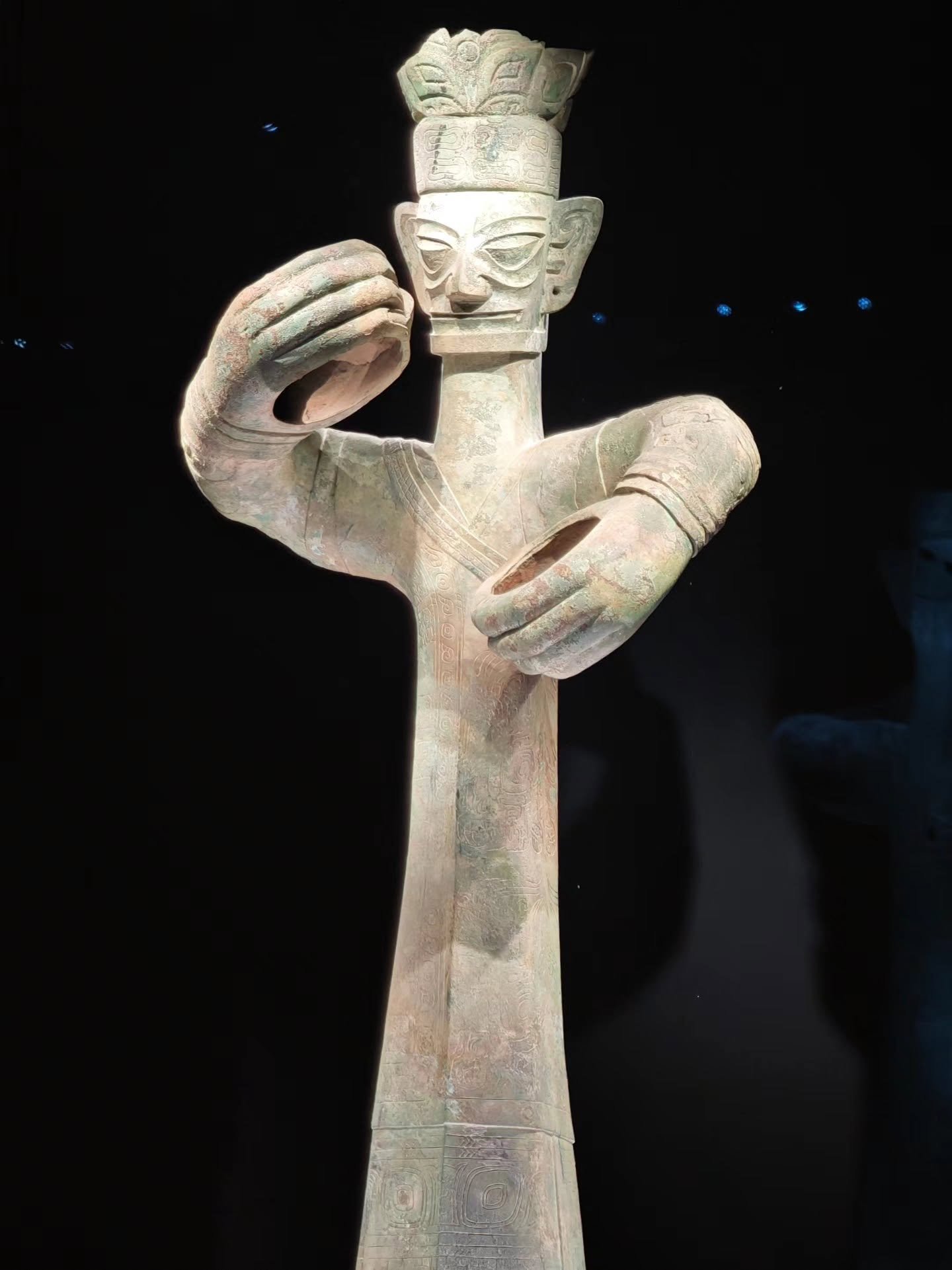
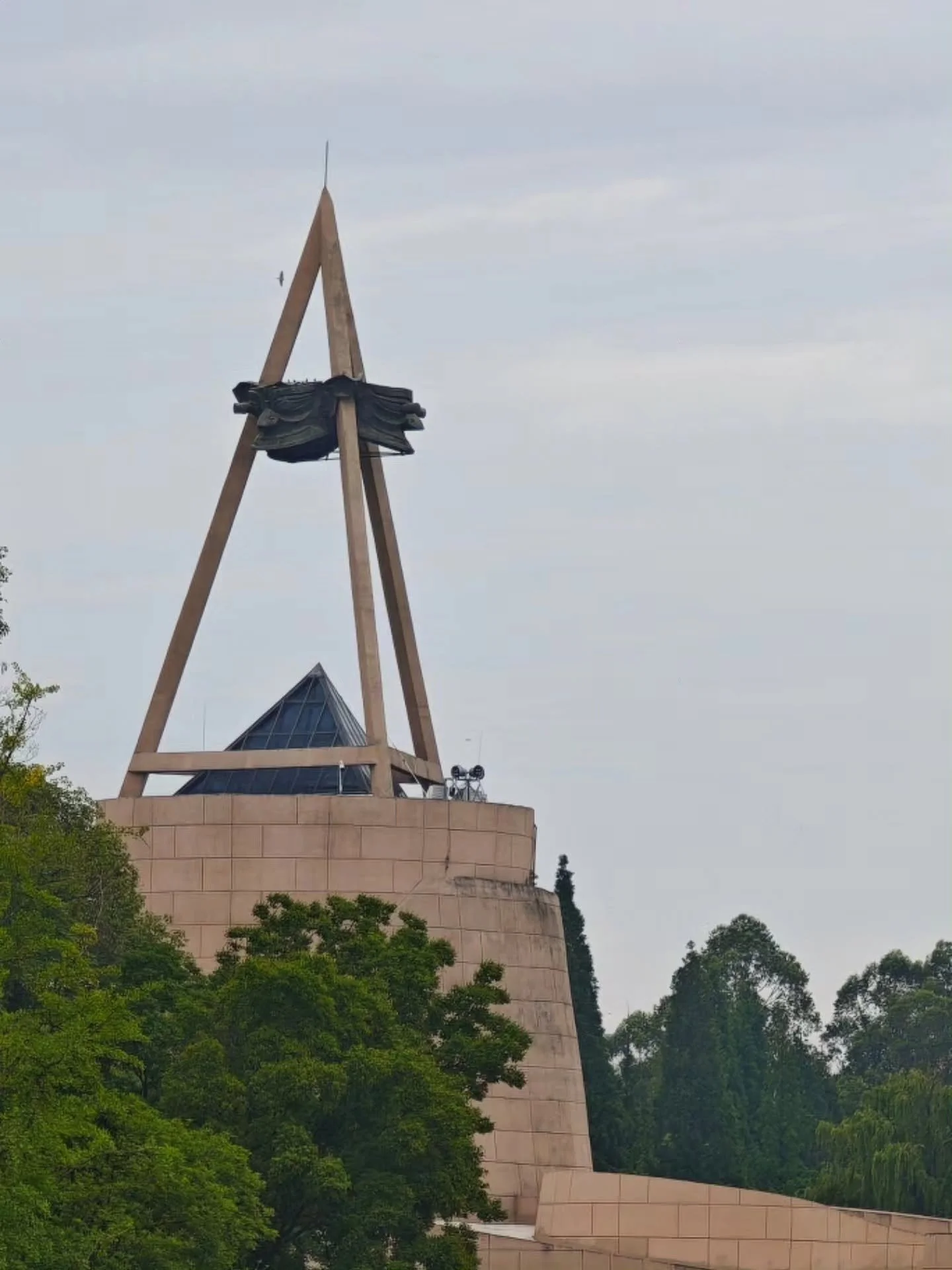
Rather than inventing a new name, archaeologists adopted the existing name of the nearby village—Sanxingdui, meaning "Three-Star Mounds." Today, the name has become synonymous with the extraordinary civilization of the ancient Shu Kingdom. Its enigmatic bronze masks, sculptures, and ritual objects continue to reshape our understanding of early Chinese civilization.
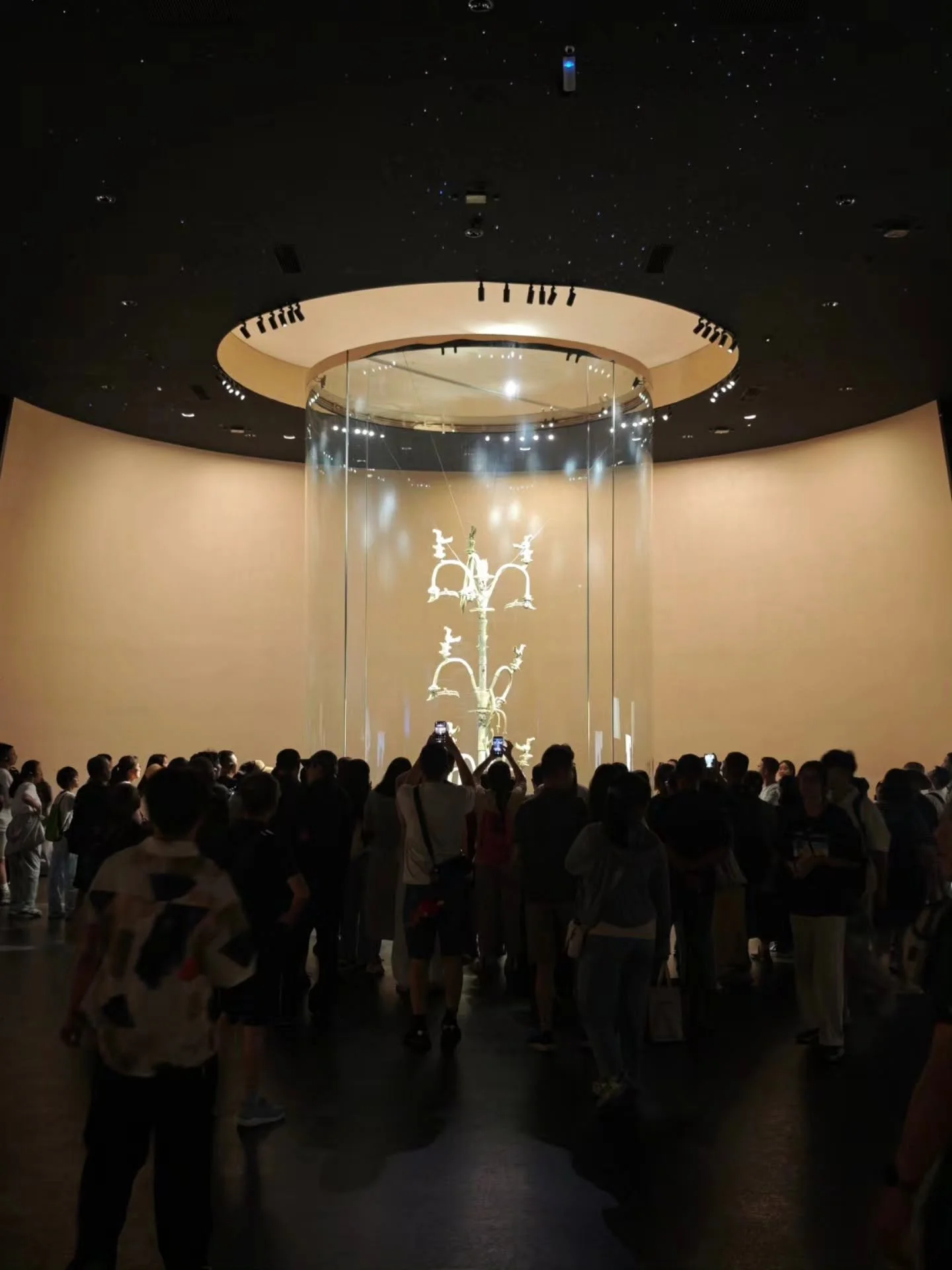
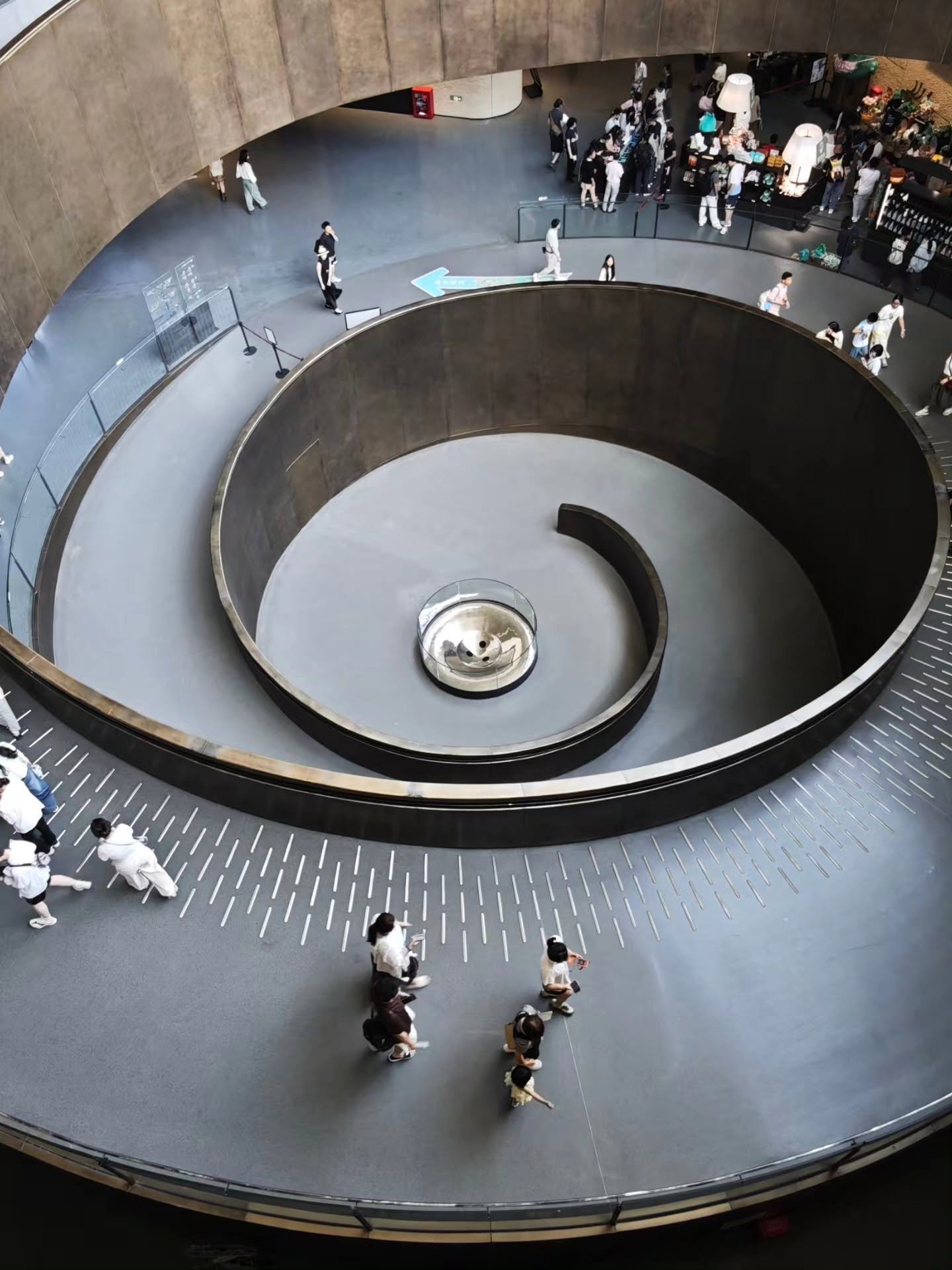
What fascinated me most was the mystery surrounding Sanxingdui. Even today, many questions about this ancient civilization remain unanswered. The museum does an exceptional job of presenting these discoveries through thoughtfully designed exhibitions, allowing visitors to experience the artifacts in a way that feels both immersive and thought-provoking.
Perhaps that's why Sanxingdui continues to capture people's imagination. The bronze masks and statues defy our expectations of ancient art—they feel almost otherworldly, even reminding some visitors of Ultraman or scenes from science fiction. Yet these extraordinary creations were made more than 3,000 years ago, making their mystery all the more captivating.